If you are looking at small multi-unit investing in central DC, Dupont Circle and Shaw can look similar at first glance. Both are walkable, transit-rich, historic, and full of older building stock. But once you start underwriting a 2 to 10 unit deal, the differences become clear fast. This guide will help you compare the two neighborhoods, spot the biggest risks, and focus on the details that matter most before you buy. Let’s dive in.
Why Dupont and Shaw attract investors
Dupont Circle and Shaw sit in a part of Washington where multi-unit housing is already a major part of the urban fabric. According to the DC Office of Planning, wards 1, 2, and 6 are now more than 50% large apartment buildings of 20 or more units, while the city overall remains heavily multi-unit.
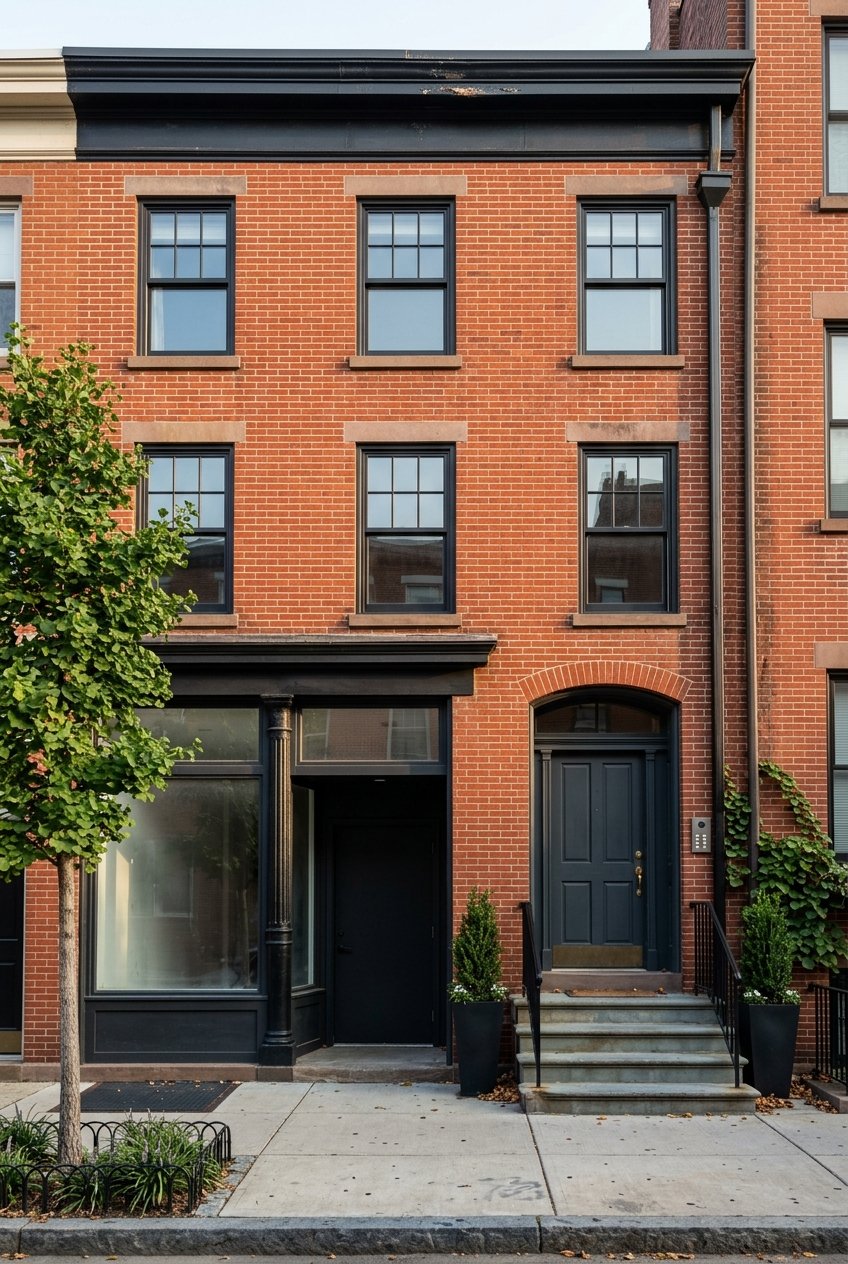
For a smaller investor, that does not mean an endless supply of easy opportunities. In these neighborhoods, the typical 2 to 10 unit deal is often a boutique multifamily property, a mixed-use rowhouse conversion, or an older small apartment building. That makes inventory scarce, pricing very specific to each block, and comparable sales harder to generalize.
How Dupont Circle differs
Dupont building stock
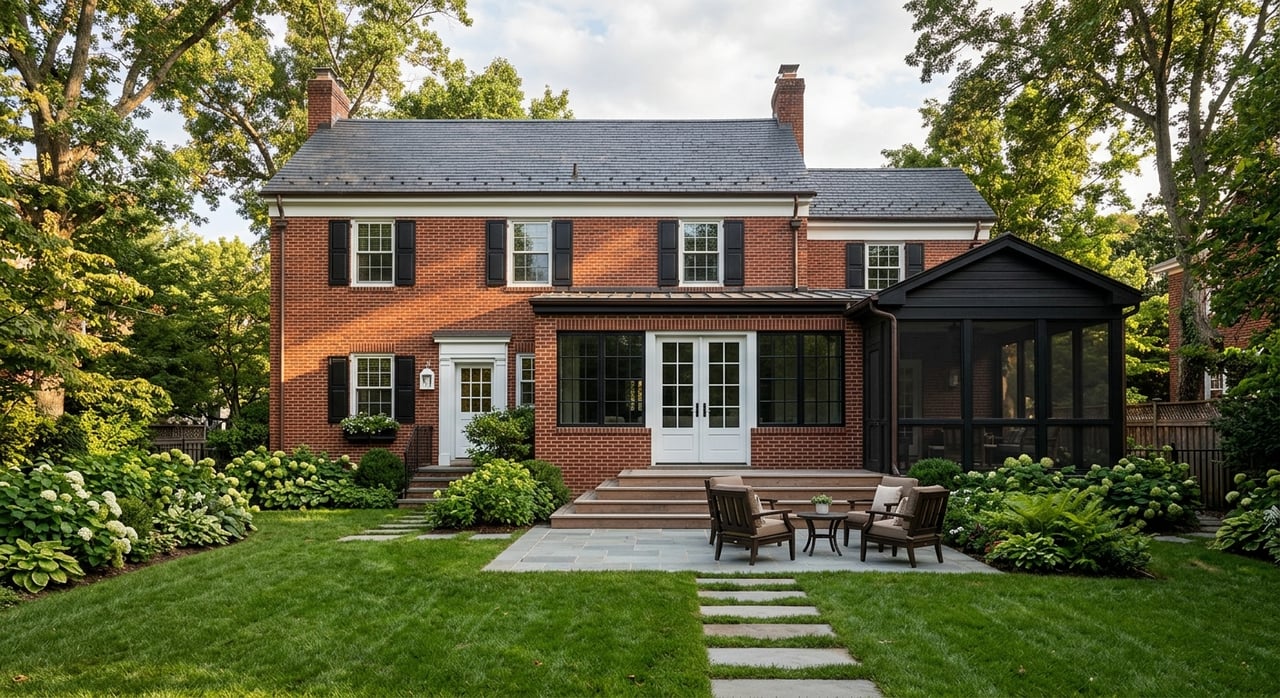
Dupont Circle is defined by older, highly recognizable architecture. The area includes Victorian and Beaux-Arts mansions, Queen Anne and Richardsonian Romanesque rowhouses, and larger mixed-use and residential buildings along Connecticut Avenue and nearby streets.
From an investment standpoint, that means you are often buying into a premium historic setting with limited physical flexibility. Dupont Circle became a historic district in 1976 and was later expanded, with a period of significance from 1875 to 1931. In practical terms, many assets come with preservation considerations that can affect timing, design, and renovation costs.
Dupont rent profile
As of May 2026, reported average apartment rents in Dupont Circle were:
- Studio: $1,989
- One-bedroom: $2,754
- Two-bedroom: $4,226
- Three-bedroom: $4,591
Apartment rent was down 0.1% year over year, which suggests relative stability. Dupont also posts 100 out of 100 scores for walkability and transit, which helps support renter demand for smaller units in a location where convenience is a major draw.
Dupont renter base
Using ZIP code 20036 as a proxy, the area shows a median age of 35.1, an average household size of 1.2 persons, 94.3% of residents with a bachelor’s degree or higher, and 34.8% of residents having moved within the prior year.
That profile points to a highly educated, mobile renter base with many one- and two-person households. For a small multi-unit investor, that can support strategies focused on well-finished smaller units, efficient layouts, and a premium leasing position.
How Shaw differs
Shaw building stock
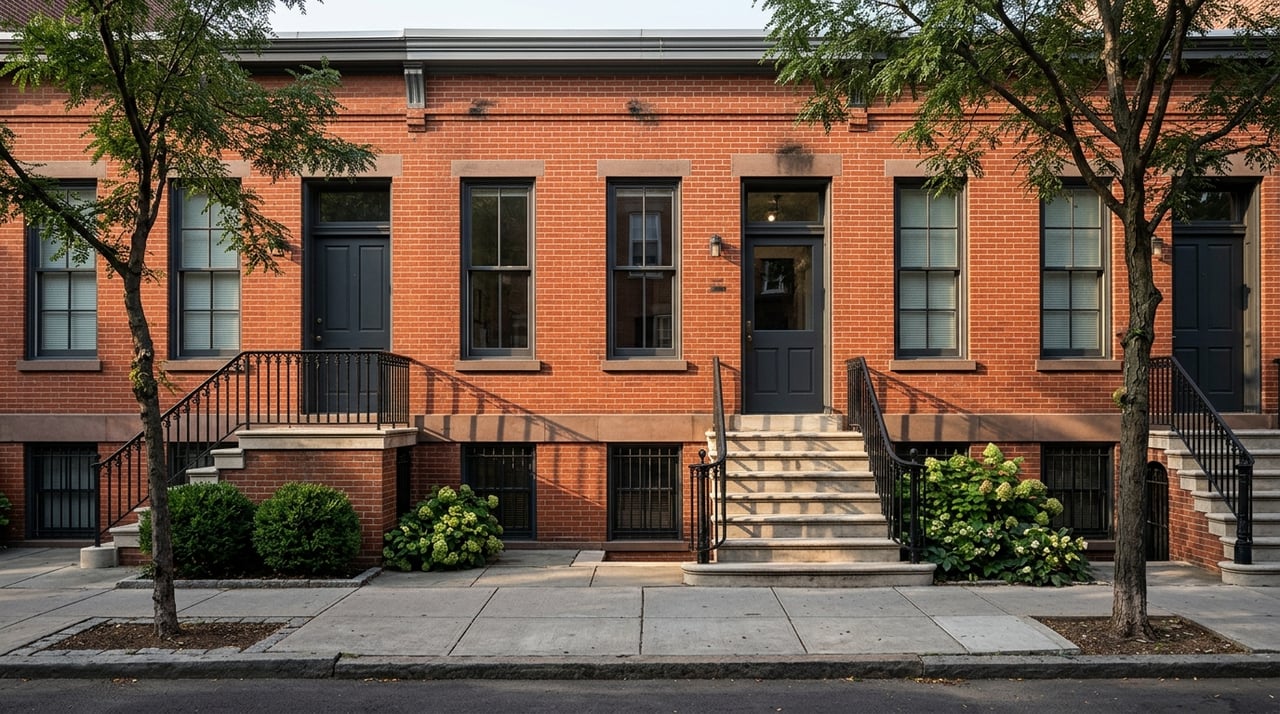
Shaw offers a different mix. The historic district includes varied residential construction, alley dwellings, churches, and commercial architecture, and the area has also seen major renovation activity and new multifamily and commercial development, especially along the 14th Street corridor.
That often gives Shaw a more redevelopment-oriented feel than Dupont. Shaw is also a historic district, designated in 1999, with a period of significance from 1833 to 1932. So while there may be more value-add potential in some cases, preservation and entitlement questions still matter.
Shaw rent profile
As of May 2026, reported average apartment rents in Shaw were:
- Studio: $2,039
- One-bedroom: $2,525
- Two-bedroom: $3,459
- Three-bedroom: $3,744
Apartment rent was down 4.0% year over year. Shaw also scores 100 out of 100 for walkability and transit, plus 80 out of 100 for biking. Rents remain above the citywide average one-bedroom rent, but they generally trail Dupont’s one- and two-bedroom pricing.
Shaw renter base
Using ZIP code 20001 as a proxy for much of Shaw, the area shows a median age of 32.6, an average household size of 1.7 persons, 77.5% of residents with a bachelor’s degree or higher, and 26% of residents having moved within the prior year.
That suggests a younger, educated, and still fairly mobile renter base, with somewhat broader household composition than Dupont. For investors, that may support a wider range of unit mixes, but it also means your building plan should match the specific block and product type rather than rely on a neighborhood-wide assumption.
Dupont vs. Shaw for strategy
Best fit for Dupont
Dupont often suits a more conservative small multi-unit strategy. In many cases, the opportunity is not dramatic repositioning. It is careful acquisition, thoughtful improvement, strong presentation, and disciplined leasing in a premium location.
Because rents are generally stronger and rent movement has been relatively stable, Dupont can appeal to buyers focused on preserving quality and minimizing operational surprises. The tradeoff is that purchase pricing and historic review can narrow your margin for error.
Best fit for Shaw
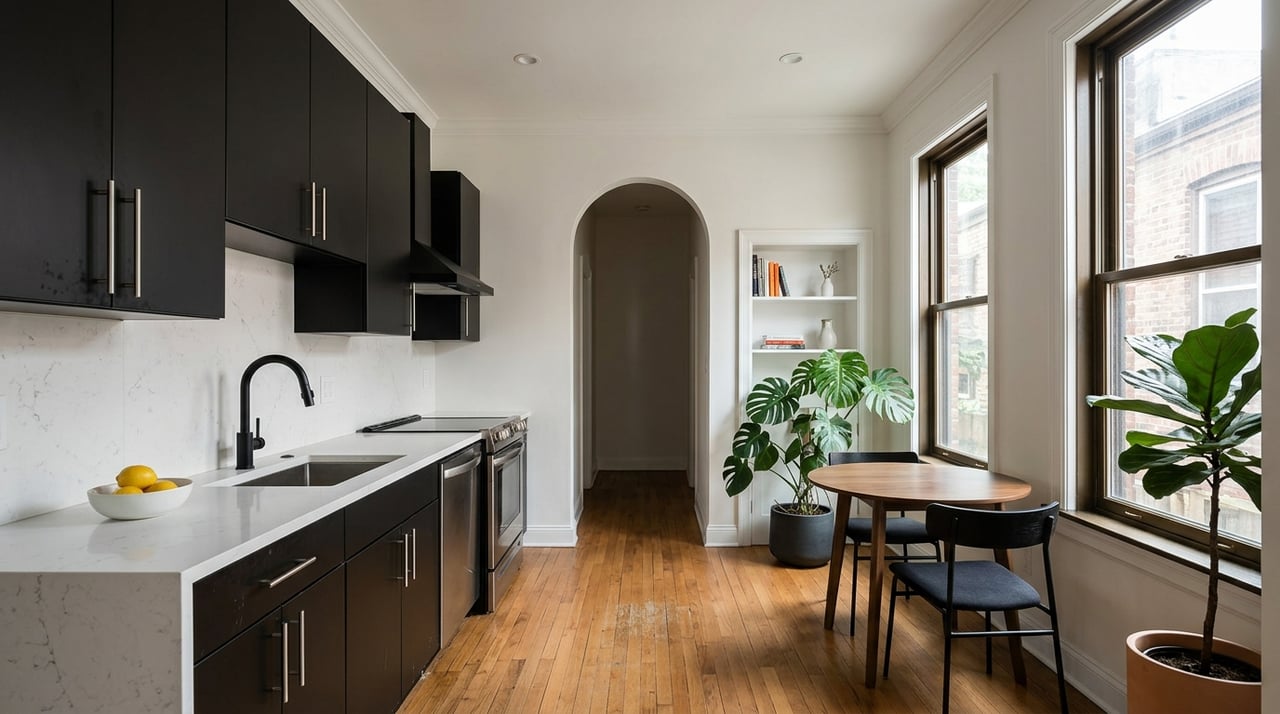
Shaw may fit buyers looking for more value-add or redevelopment potential. Depending on the property, there may be more room to improve unit mix, address deferred maintenance, or reposition a building that has not kept up with the market.
The tradeoff is that Shaw’s recent rent momentum has been softer. A deal may look attractive on paper, but lease-up timing, construction execution, and competitive supply should be stress-tested more carefully.
The three checks to make first
Before you get excited about finishes, projected rents, or a future unit count, start with the basics. In Dupont and Shaw, the smartest underwriting usually begins with these three items.
1. Confirm legal unit count
Do not assume the current layout tells the whole story. In a small multi-unit acquisition, legal unit count is one of the first facts to verify because it shapes value, financing, rent assumptions, and renovation options.
2. Confirm zoning by address
The District’s official zoning map and PropertyQuest are the right starting points for lot-level confirmation. This matters because zoning can vary by parcel, and conversion or redevelopment strategy should be tested against the actual designation, not the neighborhood name.
For example, in lower-density RA-1 zones, the Office of Planning says new rowhouses, flats, and multifamily buildings require special exception review. That does not apply to every property in Dupont or Shaw, but it shows why zoning needs to be checked early.
3. Confirm historic status and review scope
Because both neighborhoods are historic districts, exterior work that requires a building permit also requires preservation review. According to the DC Office of Planning, that can include items such as additions, demolition, window replacement, decks, awnings, signs, and other exterior changes.
Interior alterations and non-structural interior demolition are generally not subject to preservation review. Even so, investors should evaluate early how much design documentation, review time, and additional cost a renovation plan may require.
Rent control can reshape your numbers
In DC, rent stabilization is one of the most important underwriting questions for small buildings. The Office of the Tenant Advocate states that rent stabilization applies to any non-exempt rental unit.
Common exemptions include units built after 1975 and units owned by a natural person who owns no more than four rental units in the District. All rental units must be registered with the Rental Accommodations Division, and if a unit is not registered, rent control automatically applies.
For 2026, the cap is 4.1% for most rent-controlled units and 2.1% for elderly or disability tenants. For many investor-owned small buildings held in an entity rather than by a natural person, the small-owner exemption may not be available, so this issue should be reviewed carefully before you rely on future rent growth.
Inclusionary Zoning matters in redevelopment
If your plan involves new residential development, Inclusionary Zoning may affect the deal. DC’s program can require a percentage of units to be affordable, while also offering potential density bonuses.
For a mixed-use or redevelopment play, that can directly influence your pro forma, unit mix, and exit strategy. This is another reason why a block-by-block, address-by-address review matters more than a broad neighborhood thesis.
A practical way to underwrite these neighborhoods
If you are comparing Dupont and Shaw, a simple rule works well: focus first on legal unit count, preservation scope, and rent-control status. After that, evaluate renovation budget. Only then should you start underwriting upside.
In Dupont, the biggest constraint is often premium pricing paired with preservation friction. In Shaw, the constraint is more likely entitlement complexity plus somewhat softer recent rent movement. Neither neighborhood is inherently better. The right choice depends on your risk tolerance, timeline, and operating plan.
What this means for your next acquisition
Small multi-unit investing in Dupont and Shaw is rarely about finding an obvious bargain. It is about reading the building correctly, understanding what the city will allow, and matching your strategy to the neighborhood’s real operating conditions.
If you want a premium, stable-feeling submarket and are comfortable with tighter constraints, Dupont may be the better fit. If you want more room for value-add and can manage more execution risk, Shaw may offer a better path. In both cases, local knowledge is not a bonus. It is part of the investment thesis.
When you are evaluating a central DC multi-unit opportunity, having neighborhood-level context can save you time and protect your downside. If you want a local, data-driven perspective on Dupont, Shaw, or another DC investment property, connect with Chuck Burger.
FAQs
What kind of small multi-unit properties are common in Dupont Circle and Shaw?
- In Dupont Circle and Shaw, the most common opportunities are boutique multifamily buildings, mixed-use rowhouse conversions, and older small apartment properties rather than detached housing.
Are Dupont Circle and Shaw both historic districts for investors?
- Yes. Both neighborhoods are historic districts, which means exterior work that requires a building permit generally also requires preservation review.
Which neighborhood has higher rents for small multi-unit investing, Dupont or Shaw?
- As of May 2026, Dupont Circle reported higher average one-bedroom and two-bedroom rents than Shaw, while both neighborhoods remained above the citywide average one-bedroom rent.
Why is zoning so important for small multi-unit investing in DC?
- Zoning affects what you can build, convert, or add to a property, and the correct way to evaluate a deal is by checking the specific address on the District’s zoning tools rather than assuming rules based on the neighborhood.
How does DC rent control affect a small multi-unit investment?
- Rent stabilization can limit annual rent increases on non-exempt rental units, so investors should confirm exemption status, registration status, and ownership structure before underwriting future rent growth.
Is Shaw or Dupont better for a value-add investment strategy?
- Shaw may offer more value-add or redevelopment potential, while Dupont may better suit a conservative strategy focused on premium leasing and careful repositioning.