Trying to choose between a dramatic loft and a classic high‑rise condo in Penn Quarter? You are not alone. With world‑class museums, the Capital One Arena, and the Gallery Place–Chinatown Metro outside your door, the decision often comes down to how you live, finance, and plan to resell. This guide breaks down the differences, what to inspect, financing and HOA factors, and a simple checklist to help you decide with confidence. Let’s dive in.
Penn Quarter at a glance
Penn Quarter centers on 7th–10th St NW near F and G streets, with quick access to the Red, Green, and Yellow lines at Gallery Place–Chinatown and multiple bus routes. You can walk to the Smithsonian American Art Museum, National Portrait Gallery, theaters, restaurants, and major employers. Housing options include amenity‑rich high‑rise condos, mid‑rise conversions, and a limited number of true loft‑style units. This mix attracts professionals, downsizers, second‑home buyers, and investors who value convenience and culture.
Loft vs. traditional: what truly differs
Space and layout
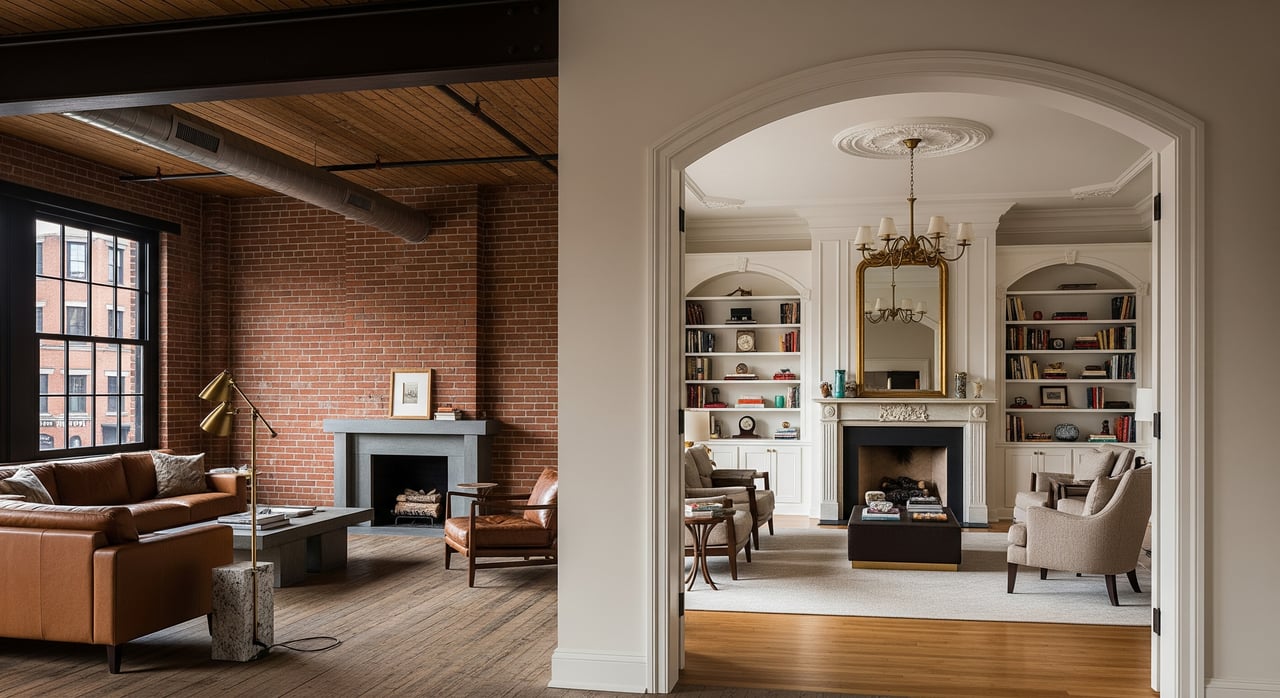
- Lofts: High ceilings, open floor plans, large industrial windows, and exposed structure. Great for flexible living and entertaining. Fewer defined rooms can require build‑outs for privacy.
- Traditional condos: Defined bedrooms and living areas, dropped ceilings, and more built‑in storage. Layouts are predictable and suit a wider range of needs.
Light, ventilation, and noise
- Light: Lofts often feel brighter due to volume and window size, but orientation still rules. Units facing courtyards or alleys can feel dim regardless of style.
- Ventilation and HVAC: Conversions may have individual in‑unit systems like PTACs or mini‑splits; towers more often run centralized HVAC with building‑wide maintenance.
- Noise: Open lofts can carry internal sound and some conversions have lower floor/ceiling sound ratings. Many high‑rises use assemblies designed for better impact and airborne noise control.
Amenities and services
- Traditional high‑rises frequently offer a concierge, fitness center, rooftop spaces, package rooms, and sometimes a pool and garage. Fees are higher but services are robust.
- Boutique loft buildings may have lighter amenity packages and lower fees, though offerings vary in mixed‑use and conversion properties.
Fees, reserves, and assessments
- Full‑service towers often have higher HOA fees that cover staffing, building insurance, shared utilities, and reserves.
- Smaller associations can keep fees lower, but reserves may be thinner. Review the reserve study and ask about special assessments.
Legal and rental rules
- “Loft” describes style, not ownership. Most units are condos subject to the same building declaration and bylaws.
- Short‑term rentals in DC require registration, and many condo associations limit or ban them. Check condo docs before assuming rental income.
Financing considerations
- Not all buildings are FHA or VA approved. Larger, established associations are more likely to be on approved lists, but you must verify.
- Appraisals on unique loft layouts can be tricky if living area or mezzanine space is measured differently than typical plans. Ask how square footage is calculated and what comps will be used.
What to inspect before you commit
Buyers of both lofts and traditional condos should complete focused inspections and document reviews. Conversions deserve extra attention to building systems and the envelope.
Physical inspection priorities
- Structure and exterior: Look for settlement cracks, changes to beams or headers in converted spaces, and signs of water infiltration near windows and roof lines.
- Fire safety and egress: Confirm sprinklers and alarms, and that upgrades meet code.
- HVAC and energy performance: Identify the system type, age, and maintenance history. Ask if windows are double‑glazed and whether insulation was improved during conversion.
- Soundproofing: Request any available STC/IIC data. Visit at different times and listen for street and neighbor noise.
- Windows and glazing: Test for drafts and UV protection, especially with large industrial windows.
- Moisture and historic materials: In older buildings, check for water stains, mold, and potential lead‑based paint if the structure predates 1978.
- Permits for prior work: Verify permits for added walls, lofted sleeping areas, or mezzanines. Unpermitted work can complicate financing and resale.
Financial and legal due diligence
- Condo documents: Obtain the declaration and bylaws, rules and regulations, current budget and financials, the latest reserve study, and board meeting minutes for the last 12–24 months.
- Assessments and reserves: Ask about pending special assessments, capital projects, and owner delinquency rates.
- Insurance: Review the master policy to understand what the building covers versus what you must insure.
- Rentals and occupancy: Confirm rental policies, short‑term rules, occupancy limits, and parking assignments or waitlists.
- Financing: Verify FHA/VA status if you need those programs. Lenders may require minimum reserves and owner‑occupancy levels for condo approvals.
- Zoning and historic: If the building is landmarked, plan for approvals on exterior changes and certain interior alterations.
Practical checks during viewings
- Test water pressure and hot water recovery.
- Review the electrical panel and dedicated circuits for home office or EV charging needs.
- Visit at different times to assess light, street activity, and noise.
- Talk to residents about management responsiveness and recurring issues.
Resale and market fit in Penn Quarter
- Buyer appeal: Lofts attract design‑minded buyers who value character and volume. Traditional condos appeal to a broader audience that prefers defined rooms, storage, and full‑service living.
- Liquidity: Conventional layouts in amenity‑rich buildings often sell more quickly because they match more buyer needs and are more likely to satisfy common financing criteria.
- Pricing: Authentic lofts can command premiums due to scarcity, but performance can be uneven in softer markets. High‑quality buildings near transit and cultural anchors tend to hold value well.
- Signals to watch: Track inventory and days on market for both styles, note any new high‑rise supply, and confirm the building’s financing eligibility and litigation status.
Quick decision checklist
Use this fast filter to narrow your choice:
- Lifestyle and rooms: Do you need distinct bedrooms and an office, or prefer one open space for living and entertaining?
- Noise tolerance: Are you sensitive to street or neighbor noise, or do you work odd hours and need quiet?
- Light and views: Does the unit get direct sun or face an interior courtyard or alley? Visit at multiple times.
- Renovation flexibility: Will you add walls or a mezzanine? Check the rules and permits needed.
- Financing: Do you need FHA or VA? Confirm building approval before you fall in love.
- Parking and commute: Is garage parking available or on a waitlist? How close is the Metro entrance you will use most?
- HOA health: Review the reserve study, assessments, and board minutes for upcoming projects.
- Rental flexibility: If you plan to rent, confirm the policy and DC short‑term rules.
- Accessibility: Elevators and common areas vary. Consider long‑term needs.
- Resale horizon: If you may sell within a few years, favor broader‑appeal layouts and service packages.
Which one suits you? Scenarios
- Creative professional who entertains: Likely a loft for flexible space, high ceilings, and gallery‑style walls. Confirm HVAC capacity and plan for privacy in sleeping areas.
- Couple or small family wanting rooms and storage: Traditional condo for defined bedrooms, closets, and predictable resale.
- Buyer who wants full service and convenience: Traditional high‑rise with concierge, gym, and package handling.
- Investor exploring rentals near the arena and theaters: Only proceed if the condo docs allow the rental type you want and you can meet DC registration rules.
- Budget‑conscious buyer open to DIY: Boutique conversion with lower monthly fees, provided reserves are healthy and you can navigate small‑association assessments.
Next steps
Choosing between a loft and a traditional condo in Penn Quarter is about matching the architecture and operations to your lifestyle, financing, and exit plan. Start with a few buildings in each category, compare HOA health and rules, and pressure‑test light, noise, and layout during repeat visits. A focused review now can save you money and stress at closing and at resale.
If you want a clear, building‑by‑building comparison and guidance on financing, inspections, and HOA health, connect with Chuck Burger. With deep neighborhood experience and a consultative approach, Chuck will help you narrow to the best fit and move forward with confidence.
FAQs
What defines a loft in Penn Quarter?
- In this neighborhood, “loft” typically refers to open plans with high ceilings, large industrial windows, and exposed structure, often in converted commercial or warehouse buildings.
Are lofts or traditional condos quieter?
- Traditional high‑rises often have better sound isolation due to modern floor and ceiling assemblies, while open lofts can transmit internal sound more easily.
Do loft buildings have the same amenities as towers?
- Many boutique loft buildings offer fewer services and lower fees; full‑service towers commonly provide a concierge, gym, rooftops, package rooms, and garage parking.
Can I use FHA or VA financing for a Penn Quarter condo?
- Possibly. You must verify the building’s approval status and any lender requirements for reserves, insurance, and owner‑occupancy levels.
Are short‑term rentals allowed near Capital One Arena?
- DC requires registration, and many condo bylaws restrict or ban short‑term rentals. Always confirm the building’s rental policy before you buy.