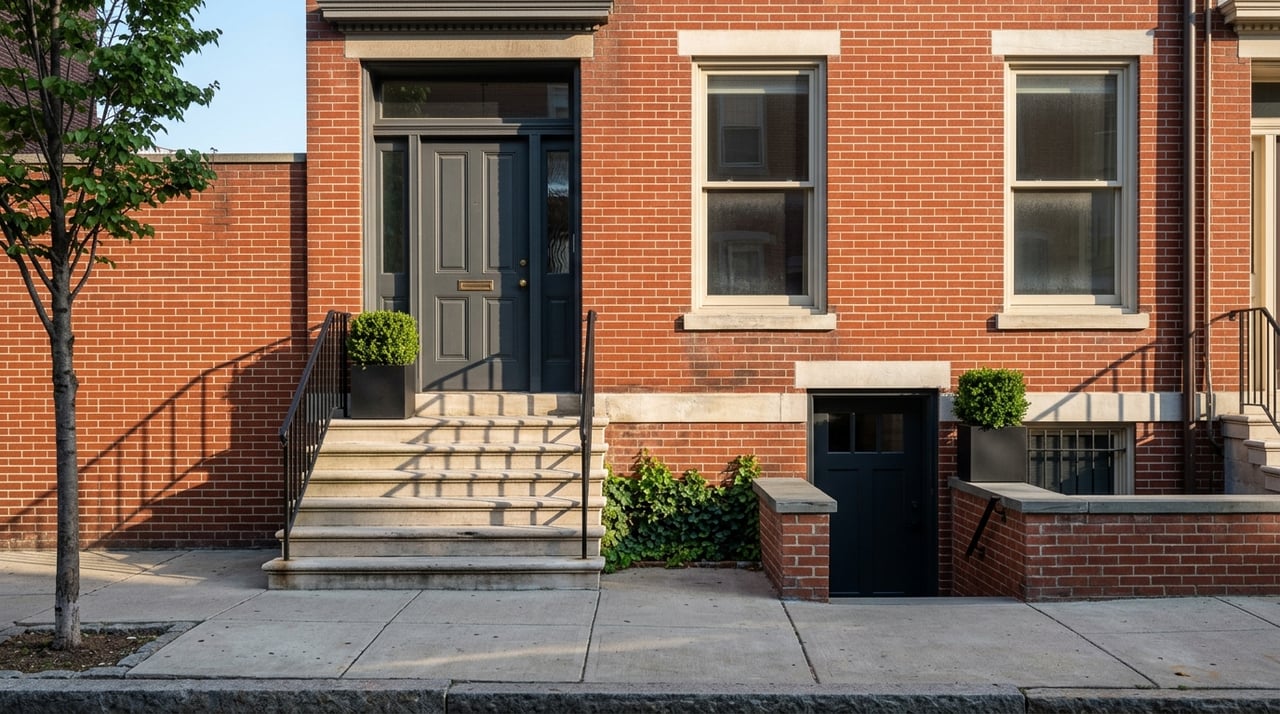
If you have looked at Capitol Hill NE rowhouses and thought, "Could that basement actually help carry the mortgage?" you are asking the right question. In 20003, the appeal of a two-unit strategy is real, but so is the need for careful due diligence before you count on rental income. This guide walks you through what makes a Capitol Hill rowhouse a plausible two-unit investment play, what to verify before you buy, and where financing and local rules can shape the outcome. Let’s dive in.
Why Capitol Hill NE Fits This Strategy
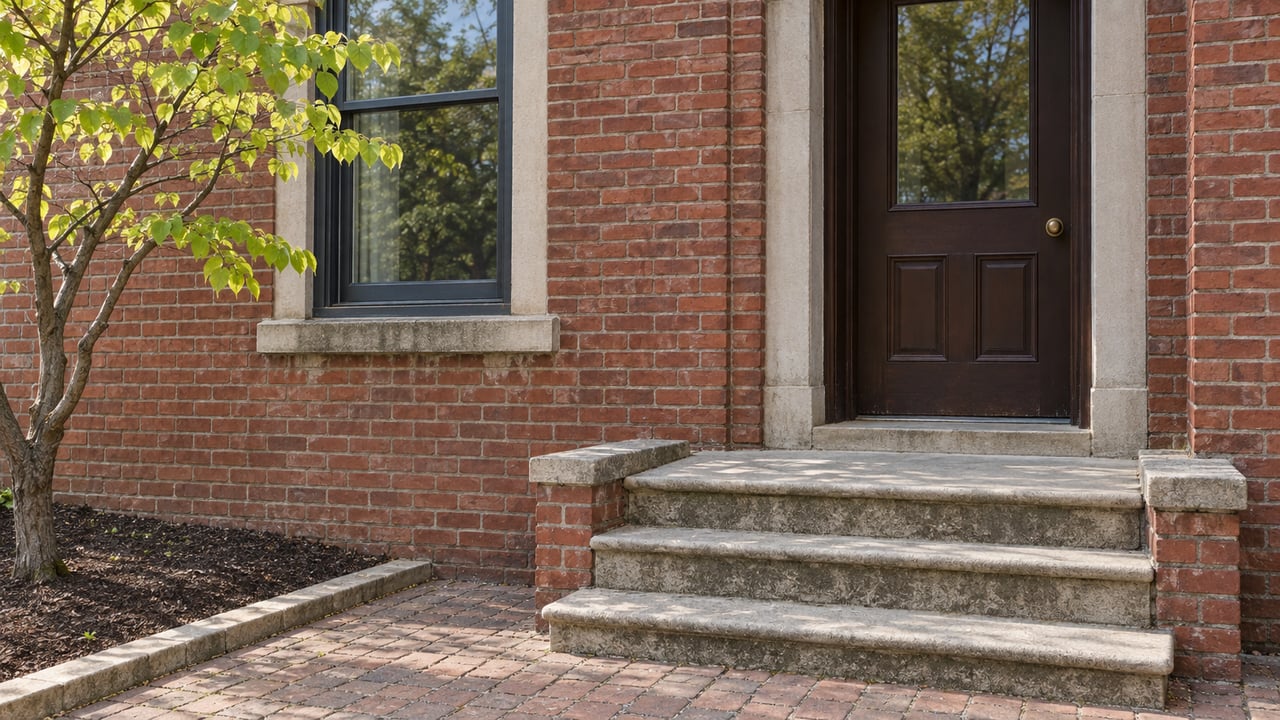
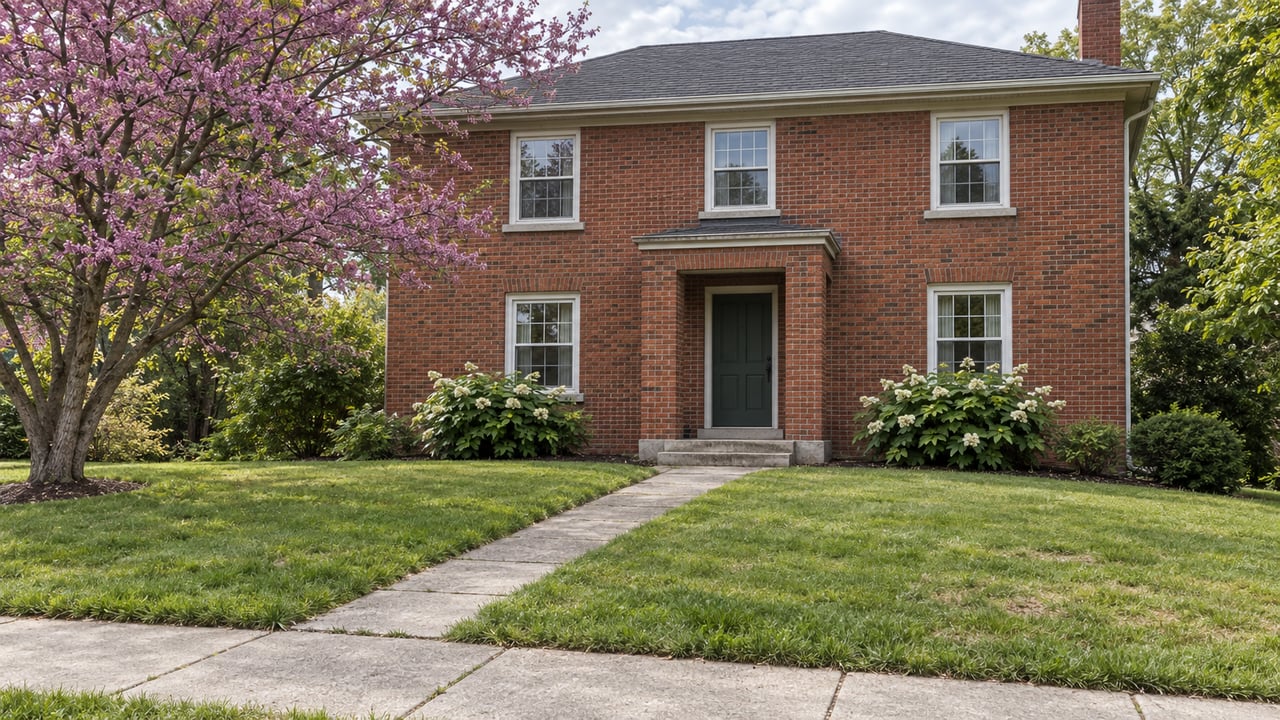
Capitol Hill stands out because its housing stock naturally supports this kind of analysis. The District’s Comprehensive Plan describes the area as a dense historic neighborhood defined by rowhouses, alleys, and neighborhood shopping corridors, and it specifically notes that many rowhouses include rentable English basement units that can create additional income for owners. In a market like this, the physical form of the housing often makes a two-unit concept easier to spot.
That said, this is not a bargain-basement submarket. Zillow’s 20003 housing data reports an average home value of $816,771, an average rent of $2,487, 118 homes for sale, and a median time to pending of 37 days. Apartments.com also shows rental inventory in 20003, which reinforces the idea that you are operating in an active market with a meaningful tenant pool.
For buyers, that creates an interesting setup. You may be paying a premium to get into Capitol Hill NE, but you are also looking at a neighborhood with durable rowhouse demand, ongoing transaction activity, and a long-established pattern of income-producing lower-level space.
What a Two-Unit Rowhouse Really Means
In Capitol Hill, a "two-unit" opportunity is often not a classic side-by-side duplex. More often, it is a rowhouse with an English basement apartment, a converted basement apartment, or in some cases a carriage house arrangement. According to DLCP’s housing business guidance, those types of setups can fall under the two-family rental category depending on how the property is configured and occupied.
This is where many buyers make a costly assumption. A finished basement is not automatically a legal second unit, and a lower level marketed as rentable is not the same thing as a unit that is fully approved for that use. The legal status of the space matters just as much as the floor plan.
Under DC zoning Subtitle E, RF-1 permits two dwelling units in the principal structure, but accessory dwelling units are not permitted in RF-1. More broadly, accessory apartments are not permitted in any RF zone. So before you underwrite rent, you need to verify the property’s zoning and existing approvals rather than relying on listing language alone.
Start With Legal Use, Not Marketing
If you are evaluating a rowhouse as an investment play, your first question should be simple: Is the second unit legal and recognized by the city? That answer affects value, financing, licensing, and future resale.
A good research sequence looks like this:
- Confirm the zoning classification.
- Confirm whether the property has a valid Certificate of Occupancy for its current use.
- Confirm the rental license category.
- Check rent control registration or exemption status.
- Review whether planned exterior work could trigger historic review.
That sequence matters because each step builds on the last. If the use is not properly established, projected rent may not be dependable for your underwriting or long-term plan.
Why the Certificate of Occupancy Matters
A Certificate of Occupancy from DOB verifies that a building’s use complies with zoning and construction code requirements. DC also notes that people typically need a valid Certificate of Occupancy to use a building unless a narrow single-family exemption applies. For a rowhouse actually operating as a two-unit or apartment use, this is one of the first documents you should confirm.
In practical terms, the Certificate of Occupancy helps answer whether the city recognizes the building the way the seller or listing does. If you are buying based on future income from a basement apartment, you want that use to be documented, not implied.
Check the Rental License Category
The next step is licensing. DLCP classifies rental housing licenses into one-family rental, two-family rental, and apartment categories, and its two-family rental category specifically includes English basement apartments, converted basement apartments, and carriage houses in certain occupied single-family situations.
DLCP also says a Certificate of Occupancy is required for apartments and two-family rentals. On top of that, DOB states landlords must obtain and pass an inspection to renew or obtain a rental Basic Business License. For buyers, that means the income side of the property is not just about layout. It is also about whether the property can be lawfully licensed and maintained in the intended category.
Financing Can Still Work in 20003
One reason this strategy remains attractive is that owner-occupant financing can still reach many Capitol Hill two-unit price points. HUD says FHA-insured loans can be used for one-to-four-unit properties with a minimum required investment of 3.5 percent. HUD’s 2026 high-cost-area loan limit for a two-unit property in DC is $1,599,375.
VA-backed financing is also worth a look for eligible buyers. The VA home-buying process guidance states that VA-backed purchase loans can offer no down payment, and VA guidance also allows use of the benefit for a multi-family property of up to four units when one unit is owner-occupied by the Veteran.
Local assistance may also help some first-time buyers. DC’s Home Purchase Assistance Program can provide up to $202,000 in down payment and closing assistance for eligible borrowers, according to DHCD’s HPAP information referenced in the research.
Given Zillow’s reported average home value of $816,771 in 20003, many potential two-unit purchases may still fit within standard owner-occupant agency loan ceilings. Of course, heavily renovated properties, premium blocks, or legally complex properties can still lead to tighter underwriting or different financing structures.
Historic District Rules Can Affect Renovation Plans
Capitol Hill’s character is part of the value proposition, but it can also add process. The neighborhood is part of the city’s largest residential historic district, with roughly 8,000 structures dating mostly from 1850 to 1915, according to the District’s Capitol Hill planning materials.
If your strategy involves exterior work, timing and approvals matter. DC states that building permits for historic property are required for many common projects, including additions, alterations, repairs, decks, and window replacement, and historic preservation review is required when permit work affects a historic property’s exterior appearance.
For an investor or house-hacker, this matters most when your plan depends on changing access, improving windows, altering the rear exterior, or making other visible upgrades. Even when the numbers look good on paper, the review process can affect budget and timeline.
Rent Control Is a Key Underwriting Detail
Rent control in DC is not a side issue. It can directly affect your numbers, your rent growth assumptions, and your compliance obligations. DHCD states that all rental units must be registered with the Rental Accommodations Division either as subject to rent control or exempt from rent control, and if a unit is not registered, rent control automatically applies.
DHCD also notes that common exemptions include units built after 1975 and units owned by a natural person who owns no more than four rental units in the District. That can be especially relevant for a small owner-occupied two-unit setup, but not every ownership structure qualifies for the exemption. This is one more reason you should verify status early instead of assuming flexibility later.
TOPA Can Shape Your Exit Timeline
If you are thinking ahead to resale, tenant occupancy can introduce another layer. The Office of the Tenant Advocate explains that tenants in multi-unit buildings have rights under TOPA, and it provides a separate process chart for 2-4 unit buildings. DC’s Front Door housing guide also confirms that TOPA applies to rentals in multi-unit buildings.
For a two-unit rowhouse, that means a tenant-occupied sale may require more lead time, documentation, and coordination than a standard single-family resale. If your investment plan depends on flexibility, that is worth understanding before you buy, not when you are ready to sell.
A Practical Buy Box for 20003
If you are screening Capitol Hill NE rowhouses for two-unit potential, focus on the properties that check multiple boxes at once:
- Rowhouse configuration that clearly supports separate living areas
- Zoning and approvals that match the current or intended use
- Valid Certificate of Occupancy where required
- Correct rental license path for the income-producing setup
- Clear rent control registration or exemption status
- Financing that fits both the property and your occupancy plan
- Renovation scope that accounts for historic district review when needed
The strongest opportunities are usually not the ones with the flashiest listing language. They are the ones where the income story is legal, financeable, and operationally realistic.
Why Local Guidance Matters
Capitol Hill rowhouses reward buyers who pay attention to details. On one block, two homes may look nearly identical from the street, yet the legal use, licensing path, or renovation risk can be very different. That is why neighborhood-level guidance matters so much in a market like 20003.
If you are comparing house-hack options, evaluating a basement apartment setup, or trying to understand whether a Capitol Hill NE rowhouse really works as a two-unit play, it helps to work with someone who knows how DC’s zoning, historic review, and transaction realities come together on the ground. If you want help evaluating specific properties or building a smarter buy box in Capitol Hill, connect with Chuck Burger.
FAQs
What makes a Capitol Hill NE rowhouse a two-unit investment play?
- A Capitol Hill NE rowhouse may work as a two-unit investment play when it has a legal second unit, such as an English basement apartment or other approved rental setup, and the property’s zoning, Certificate of Occupancy, and licensing support that use.
Does a finished basement in Capitol Hill automatically count as a legal rental unit?
- No. A finished basement does not automatically qualify as a legal second unit, so you should verify zoning, approvals, and occupancy documentation before relying on rental income.
What DC documents should you verify before buying a two-unit rowhouse?
- You should confirm the zoning classification, Certificate of Occupancy, rental license category, rent control registration or exemption status, and whether any planned exterior work would require historic preservation review.
Can you use FHA financing for a two-unit property in Washington, DC?
- Yes. HUD says FHA-insured loans can be used for one-to-four-unit properties, and the 2026 FHA high-cost-area limit for a two-unit property in DC is $1,599,375.
Can a Veteran buy a Capitol Hill two-unit home with a VA loan?
- Yes, if eligibility and property requirements are met. VA guidance says a Veteran may use a VA-backed loan for a multi-family property with up to four units when one unit is owner-occupied by the Veteran.
How does Capitol Hill historic district status affect rowhouse renovations?
- Exterior work on historic properties may require permits and historic preservation review, which can affect project scope, timing, and budget for two-unit renovation or improvement plans.
Does rent control apply to two-unit rowhouses in Washington, DC?
- It can. DHCD says all rental units must be registered as either subject to rent control or exempt, and if a unit is not registered, rent control automatically applies.
How can TOPA affect the sale of a two-unit Capitol Hill property?
- If the property is tenant-occupied, TOPA rights may apply, which can add notice requirements, documentation, and extra time to the sale process for a two-unit building.