If you are torn between a character-filled older home and a polished newer property in Northwest DC, you are not alone. Cleveland Park and Tenleytown both attract buyers who want strong neighborhood identity, but the housing choices in each area can feel very different once you look beyond the listing photos. This guide will help you compare historic homes versus new builds in these two 20008 neighborhoods so you can weigh style, supply, inspections, and long-term fit with more confidence. Let’s dive in.
Cleveland Park and Tenleytown at a Glance
Cleveland Park and Tenleytown share a Northwest DC setting, but they do not offer the same housing mix. Ward 3 planning materials describe Cleveland Park as a neighborhood with a commercial core, denser apartment buildings and townhouses, and single-family homes farther out. Tenleytown follows a similar pattern, but it is more oriented toward single-family homes.
That distinction matters when you start comparing older homes to newer options. Cleveland Park has a more protected historic core, while Tenleytown shows stronger signs of future redevelopment along its main corridor. In practical terms, that often means Cleveland Park buyers are choosing from scarcer historic inventory, while Tenleytown buyers may see more newer construction or redevelopment near transit.
As of Zillow data updated May 31, 2026, Cleveland Park’s average home value is $655,413 and Tenleytown’s is $1,104,534. Those numbers blend housing types, so they are best viewed as broad neighborhood context rather than a direct historic-home-versus-new-build comparison.
Why Historic Homes Stand Out
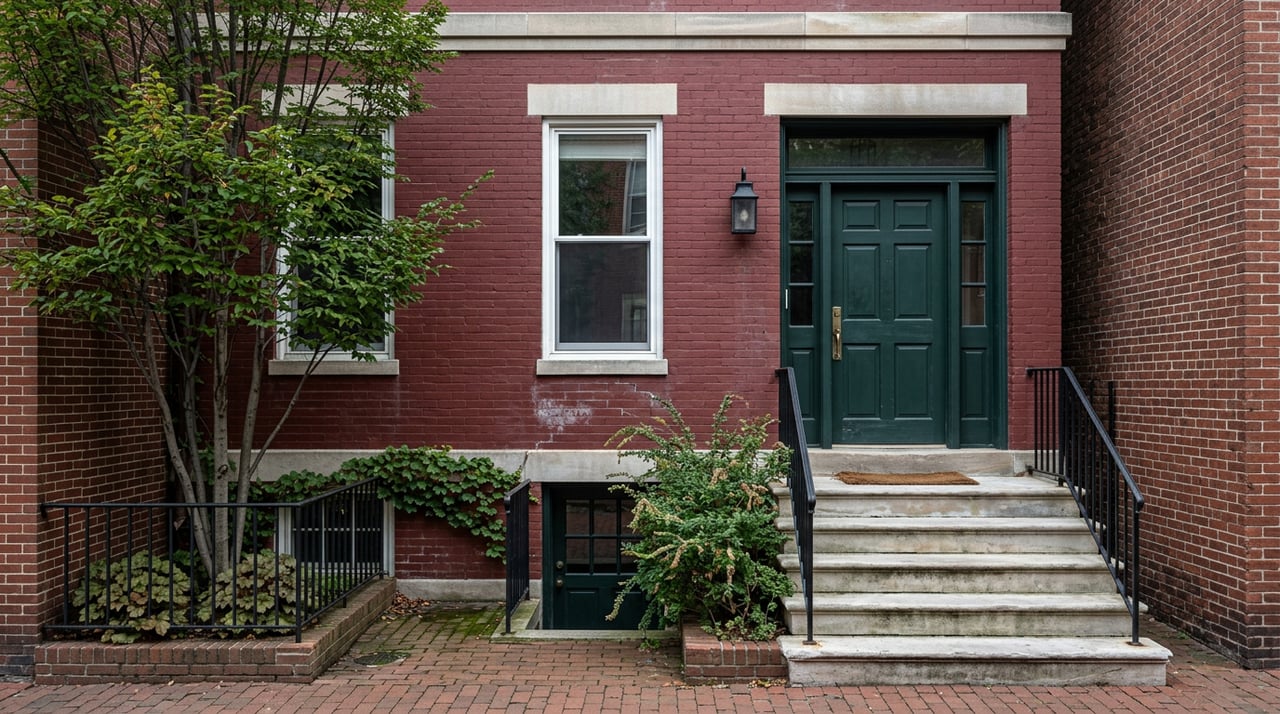
Historic homes in Cleveland Park and older parts of Tenleytown appeal to buyers who care about architecture, lot character, and a sense of place. These properties are rarely cookie-cutter. Instead, you are often looking at homes shaped by different eras, building methods, and street patterns.
In Cleveland Park especially, that older housing stock is a defining feature of the neighborhood. The area developed as one of Washington’s early streetcar suburbs, with detached houses on wooded parcels, noticeable setbacks, porches, lawns, and curving streets. That creates a very different feel from newer corridor development.
Cleveland Park Historic Character
Cleveland Park’s historic district was designated in 1987, with a period of significance from 1880 to 1941. The neighborhood includes a wide range of architectural styles, including Carpenter Gothic, Italianate, Queen Anne, Shingle, Dutch Colonial Revival, Neoclassical, Craftsman Bungalows, Tudor Revival, and Art Deco.
For you as a buyer, that usually means more visual variety and more period detail. It can also mean less predictability from one property to the next. Room sizes, floor plans, storage, window placement, and renovation quality may vary widely, even on the same block.
Tenleytown Older Housing Mix
Tenleytown’s historic stock is more mixed and less defined by one dominant style. DC historic documentation ties the neighborhood to a rural village that gradually suburbanized, and the inventory includes estate houses, early suburban homes, and attached or duplex-style properties.
That mix can be appealing if you want an older home but prefer broader price points and building types. It also means layouts may feel more period-specific or compartmentalized than recent construction. In Tenleytown, older homes can differ sharply from one another in scale, condition, and use history.
Where New Builds Are More Likely
If you are focused on newer systems, more modern layouts, or lower immediate maintenance, Tenleytown is generally the clearer place to look. The District’s Wisconsin Avenue Development Framework focuses on Friendship Heights and Tenleytown and says the corridor could support up to 9,500 new homes, including up to 1,700 affordable units.
That does not mean all of Tenleytown will turn into brand-new housing. It does suggest that newer product and redevelopment pressure are more likely to cluster near Wisconsin Avenue and around the Tenleytown Metro area than inside quieter interior blocks.
New Construction in Tenleytown
The planning framework envisions new buildings with active ground-floor uses, transparent facades, through-block pedestrian connections, and a more walkable civic setting around larger blocks in Tenleytown. For buyers, that points to a style of housing tied to transit-oriented growth.
In many cases, newer options here may include condos, mixed-use buildings, or redeveloped sites rather than traditional detached new houses on large lots. If your priority is convenience, updated systems, elevator buildings, or a more lock-and-leave lifestyle, Tenleytown may offer more of that product over time.
Limits on Newer Supply in Cleveland Park
Cleveland Park’s preserved historic framework makes newer development more constrained. Its historic district nomination explicitly excludes newer apartment buildings of a different style from the older core, which reinforces the neighborhood’s architectural identity.
For buyers, that means new construction is less likely to define the neighborhood experience. You may still see newer buildings in certain areas, but Cleveland Park is more shaped by preservation than by large-scale redevelopment. That often supports a housing search centered on character and scarcity rather than brand-new inventory.
How the Tradeoffs Usually Feel
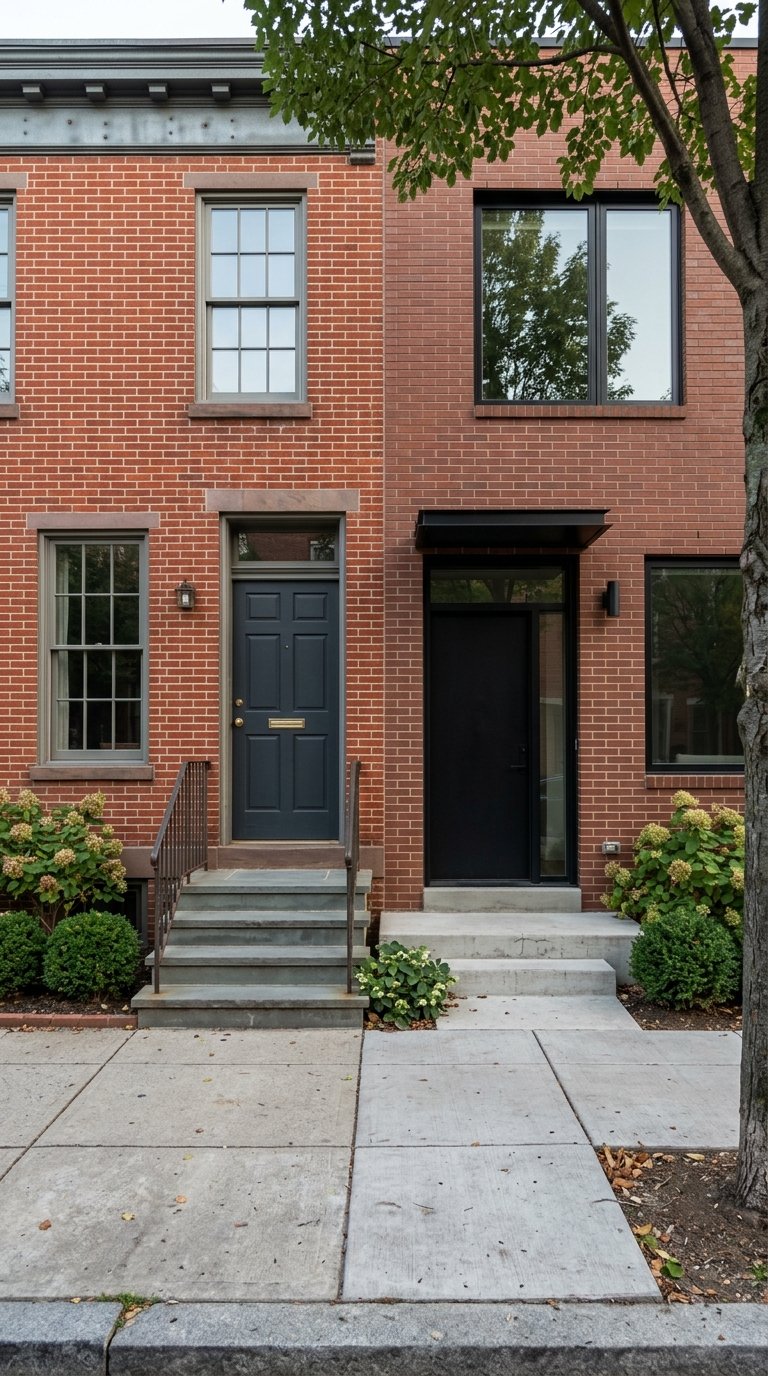
The core decision is not simply old versus new. It is often character and scarcity versus convenience and newer systems. Both can be smart choices, but they respond to different priorities.
Historic homes in Cleveland Park and older Tenleytown usually offer more distinctive architecture, more established streetscapes, and in some cases more land. Newer housing, especially in Tenleytown’s corridor areas, may offer more streamlined layouts, updated building components, and a more document-heavy ownership experience if the property is in a condo or association.
What Buyers Should Review in Historic Homes
Older homes deserve a careful inspection strategy. If you are considering a historic property, the inspection is not just about present condition. It is also about understanding how age, materials, prior renovations, and preservation rules may affect your ownership experience.
Lead Paint and Older Materials
Older homes are more likely to contain lead-based paint. EPA guidance states that 87% of homes built before 1940 and 24% of homes built between 1960 and 1978 contain some lead-based paint.
If painted surfaces will be disturbed during repairs or renovations, that can create hazardous dust. Buyers should ask whether a certified lead inspection or a lead-safe work plan may be needed, especially in homes with original or older painted elements.
Moisture, Roofing, and Exterior Condition
For older houses, roof condition, flashing, gutters, masonry, windows, and site drainage deserve close attention. Preservation guidance notes that roof-related changes and weatherization work can affect water and moisture patterns in older buildings.
That does not mean every historic home has moisture problems. It does mean water management should be a front-burner issue during inspections, because deferred maintenance in these areas can become expensive.
Preservation Review in Cleveland Park
If you buy a historic property in Cleveland Park, future exterior work may require review. DC’s preservation office says major work on a historic property must be evaluated by the Historic Preservation Review Board, while some minor work may qualify for expedited Historic Preservation Office review.
For you, that means renovation freedom may not be the same as it would be in a non-historic setting. If you are planning additions, exterior changes, or visible alterations, it is wise to understand that review process before you close.
What Buyers Should Review in Newer Condos and Associations
Newer housing often shifts the homework from physical age to documentation. If you are considering a newer condo, a conversion, or any home with an association, the paper trail matters just as much as the finishes.
Condo Resale Documents in DC
DC law requires sellers of resale condos to provide condominium instruments and a certificate with key financial and legal information. That includes unpaid assessments, planned capital expenditures, reserve status, the association’s most recent financial statement and current budget, pending suits or judgments, insurance coverage, and certain other required details.
Once those documents are delivered, the purchaser generally has a 3-business-day review and cancellation window. That makes it important to read the package promptly and carefully, especially if the building is newer or recently updated.
New or Converted Condo Issues
For newly created or converted condominiums, buyers should check developer obligations. The DC Department of Housing and Community Development says these condos must be registered, developers must post warranty security, and most new condos come with a limited warranty against structural defects.
DHCD materials also note that conversion condos can carry a 5% conversion fee due at settlement. If you are comparing a fresh conversion to an older home, make sure you understand that cost and the warranty framework before moving forward.
HOA Rules, Covenants, and Fees
If a property is part of a homeowners or community association, recorded legal documents can impose binding obligations on current and future owners. DC’s property-management study guide notes that assessments, covenants, and fees can run with the land and bind successors.
That is why you should review the declaration or covenants, rules, assessment schedule, and any fee-lien language. A newer home with shared governance may offer convenience, but it can also come with budget and lifestyle constraints that deserve a close look.
Which Neighborhood Fits Which Buyer
If you are drawn to architecture, mature streetscapes, and homes with strong period identity, Cleveland Park may feel more compelling. Its historic district, varied architectural styles, and constrained newer supply create a search process that is often about patience and specificity.
If you want a neighborhood where future supply is more likely to include redevelopment and transit-oriented newer housing, Tenleytown may give you more flexibility. It also offers a broader mix of older homes, single-family properties, and newer corridor product, especially near Wisconsin Avenue.
Neither choice is universally better. The right fit depends on whether you value preservation and character more than newer systems and whether you are comfortable reviewing either inspection-heavy historic properties or document-heavy condo and association properties.
A Smart Way to Compare Properties
When you tour homes in Cleveland Park and Tenleytown, it helps to compare them with the same checklist. That keeps you focused on decision-making, not just emotion.
Consider asking these questions:
- How much do you value historic detail versus modern layout?
- Are you comfortable with preservation review for future exterior changes?
- Would you rather manage your own house systems or review condo and HOA documents?
- Is proximity to transit and corridor redevelopment a priority?
- Do you want a scarcer, character-driven housing type or a property shaped by newer development patterns?
In these Northwest DC neighborhoods, the better choice is usually the one that matches your lifestyle, risk tolerance, and long-term plans. The most successful buyers are the ones who understand not just the home, but the neighborhood forces shaping that home over time.
If you want help sorting through Cleveland Park versus Tenleytown at the block level, Chuck Burger brings a neighborhood-first approach and clear local guidance to every search.
FAQs
What makes Cleveland Park historic homes different from Tenleytown historic homes?
- Cleveland Park has a more defined historic district and a broad range of architectural styles from 1880 to 1941, while Tenleytown’s older housing stock is more mixed, with estate houses, early suburban homes, and attached or duplex forms.
Where are new builds more likely in Tenleytown and Cleveland Park?
- Newer development is more likely along Wisconsin Avenue and near the Tenleytown Metro area, while Cleveland Park’s historic framework makes large-scale newer supply more limited.
What should buyers inspect in historic homes in Cleveland Park or Tenleytown?
- Buyers should pay close attention to lead-based paint risk, roof and flashing condition, gutters, masonry, windows, and drainage, along with any preservation-related limits on future exterior work.
What condo documents should buyers review for newer properties in DC?
- Buyers should review the resale package, including assessments, reserve status, planned capital expenditures, financial statements, budget, pending litigation, insurance information, and other required condominium documents.
Can exterior changes to a Cleveland Park historic home require approval?
- Yes. Major work on a historic property may require review by DC’s Historic Preservation Review Board, while some minor work may qualify for expedited Historic Preservation Office review.
Are newer condos in Tenleytown always easier to own than older homes?
- Not necessarily. Newer condos may offer newer systems, but they often require careful review of association finances, rules, fees, warranties, and in some cases conversion-related obligations.