Wondering how much you really need to do before listing a home in Palisades or A.U. Park? In these Ward 3 neighborhoods, buyers are often comparing detached homes closely, and small differences in condition, outdoor space, and presentation can shape both interest and timing. If you are planning a sale in 20016, this guide will help you focus on the updates that matter most, avoid common timeline mistakes, and prepare your home for the market with a neighborhood-specific strategy. Let’s dive in.
Why 20016 Needs a Local Strategy
Palisades and American University Park may share the 20016 ZIP code, but they do not behave like one simple market. Recent data shows different pricing and market pace depending on the source and the neighborhood being measured, which is why a broad Northwest DC number can miss the mark.
In the last three months ending May 2026, Redfin reported a median sale price of $1.287 million in 20016, with homes taking about 26 days to sell and receiving an average of two offers. In The Palisades, Redfin showed a median sale price around $1.38 million and an average market time of 21 days, while Realtor.com described the neighborhood as a buyer's market with homes selling at about 99% of list price on average.
American University Park looked different. Realtor.com described it as balanced, with homes selling at about asking price on average and a median listing price near $1.888 million, while Zillow reported an average home value of $1.348 million as of May 31, 2026. The takeaway is simple: your pricing and prep plan should reflect your specific neighborhood, not just your ZIP code.
Know What Buyers Notice First
Ward 3 is known for its tree-lined, park-rich character and more single-family-home-oriented housing pattern. In Palisades, that often means buyers notice the lot, the topography, and how the home connects to outdoor space. In A.U. Park, buyers also pay close attention to overall condition, layout, and how well older housing has been updated.
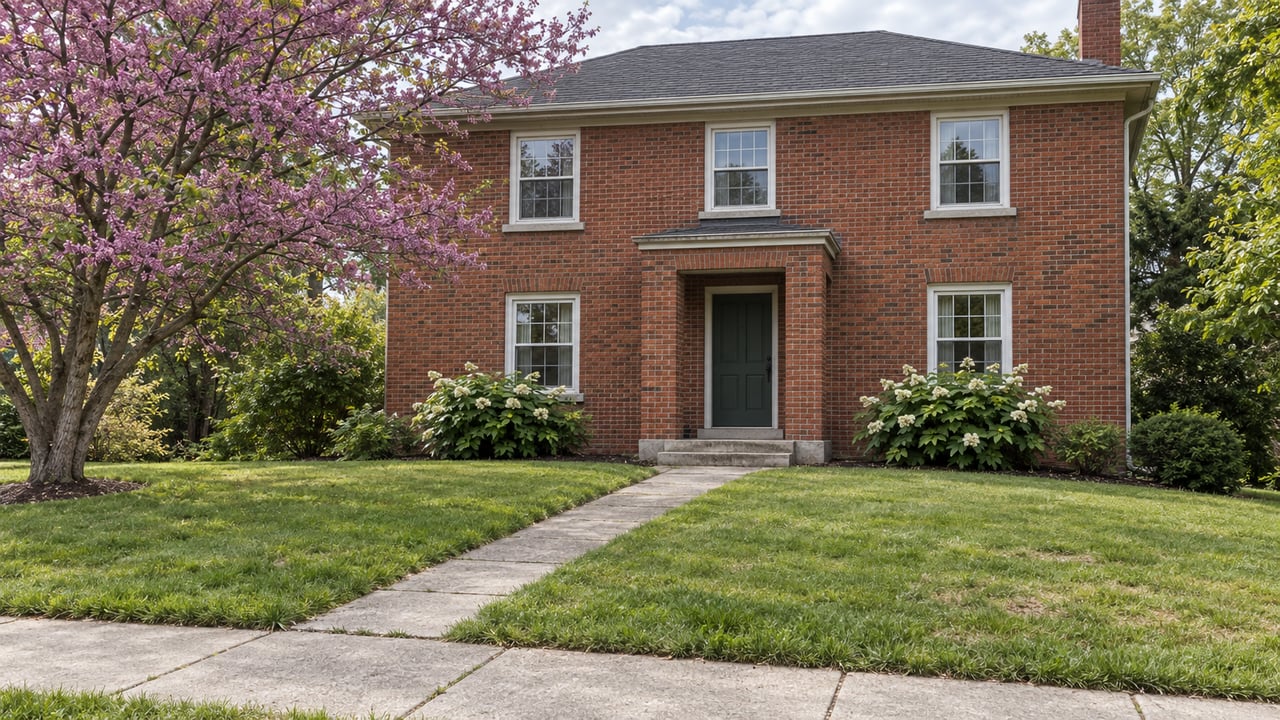
Because these homes are often detached and sit on more noticeable lots than homes in denser parts of DC, buyers tend to evaluate more than just interior finishes. They are also looking at parking, basement function, landscaping, roofline, and how the property feels from the street.
Start With Deferred Maintenance
Before you think about décor, start with the basics. Research from the National Association of REALTORS® shows that buyers are less willing to compromise on condition than they used to be, and agents frequently recommend projects like whole-home painting, roofing work, and kitchen or bathroom improvements before listing.
That does not mean you need a full custom renovation. In many cases, fixing obvious defects and updating worn surfaces does more for your sale than taking on an expensive remodel that may not match buyer taste.
A smart first pass usually includes:
- Touching up or repainting walls where wear is visible
- Addressing roof issues or missing shingles if needed
- Repairing gutters, trim, and exterior paint damage
- Fixing leaky fixtures, cracked tile, and worn caulk
- Replacing burned-out bulbs and updating tired hardware where appropriate
In neighborhoods where buyers are paying close attention to condition, maintenance sends a strong signal about how the home has been cared for.
Boost Curb Appeal and Outdoor Utility
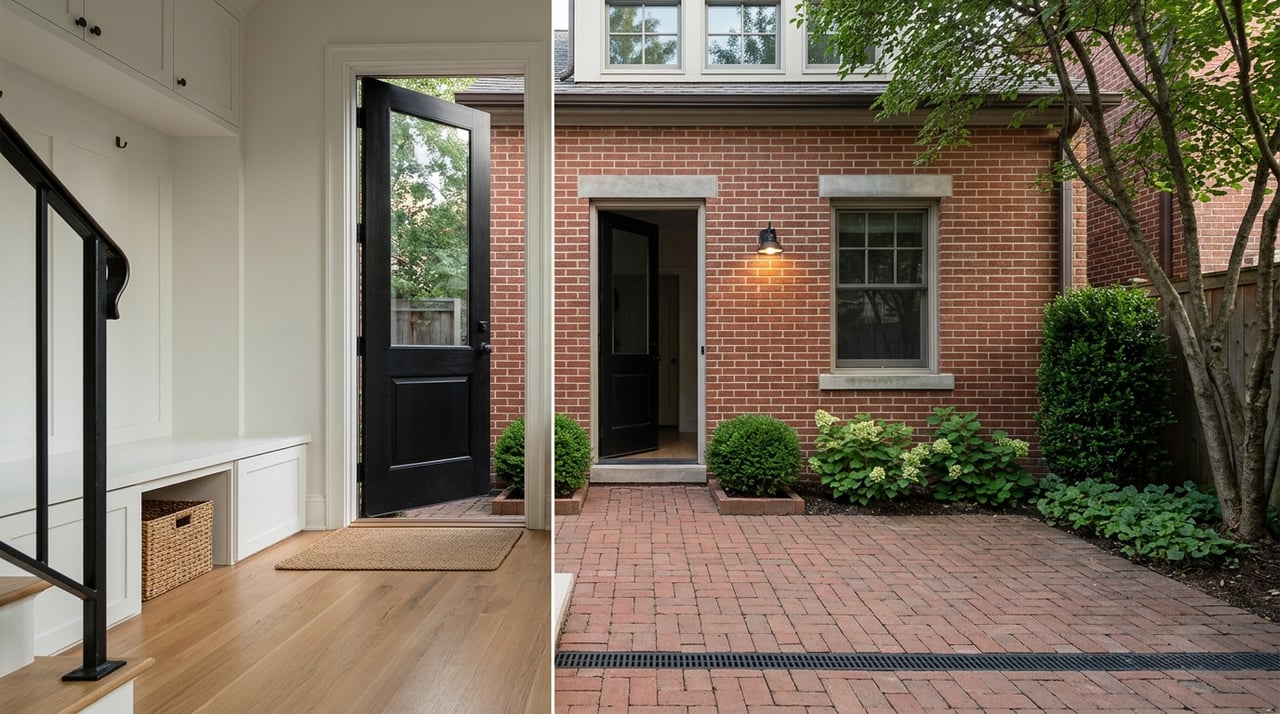
Outdoor presentation matters in this segment. Redfin's luxury buyer survey found that 69% of buyers considered landscaping a must-have and 58% wanted indoor and outdoor living space. In Palisades especially, where the setting is part of the appeal, the exterior is not just a first impression. It is part of the home's value story.
Focus on making the property look clean, usable, and well kept. Buyers do not need a magazine garden, but they do want to understand how they would use the space.
Prioritize these exterior items:
- Trim overgrown shrubs and tree limbs
- Refresh mulch and planting beds
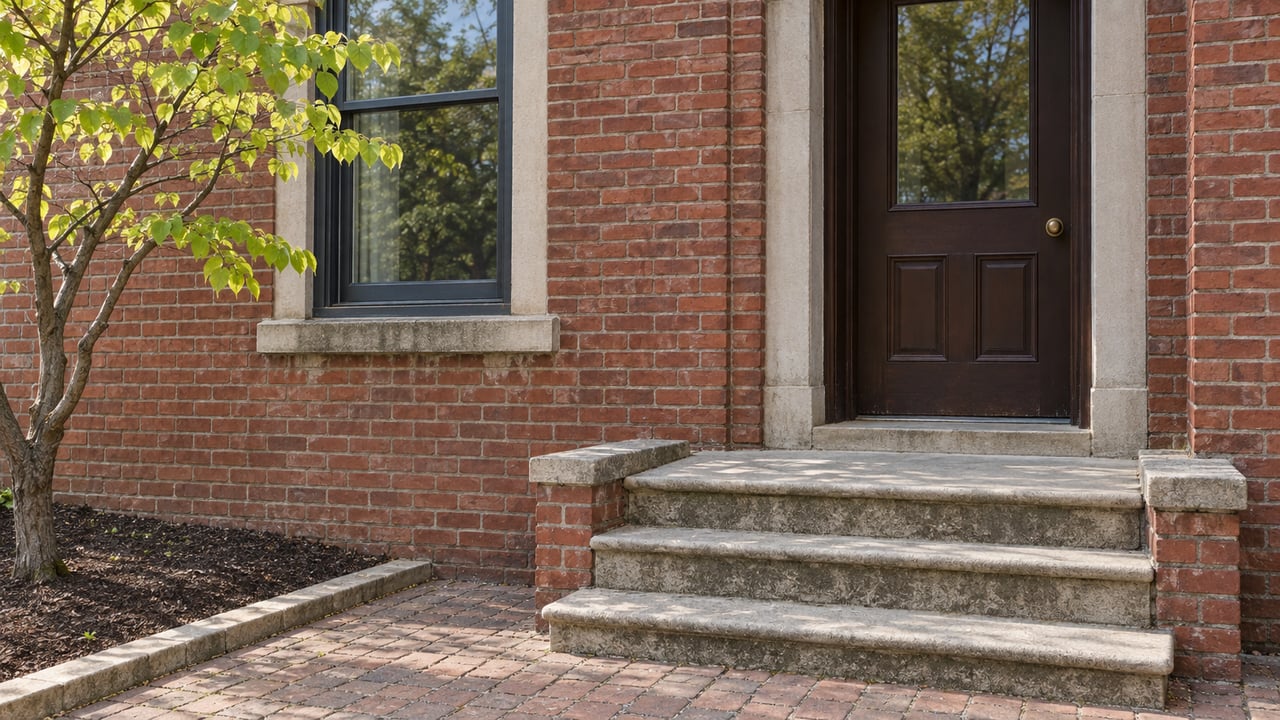
- Clean the front walk, porch, and entry
- Make sure fences and gates open and close properly
- Stage patios, decks, or terraces to show purpose
- Remove visual clutter from driveways, side yards, and sheds
If your lot has slope, wooded edges, or multiple outdoor zones, make those areas feel intentional. Clear paths, defined seating, and simple upkeep can help buyers see utility instead of maintenance.
Refresh Kitchens and Bathrooms
Kitchens and bathrooms still carry outsized weight with buyers. The practical question is not whether your taste is current. It is whether the spaces feel clean, functional, and move-in ready.
If a full renovation is not in the plan, a focused refresh can still help. Fresh paint, updated lighting, cabinet hardware, regrouted tile, repaired drawers, and uncluttered counters often improve buyer perception without the cost or delay of a major project.
When deciding what to update, think about what will read well both in person and online. Buyers are often screening homes from listing photos first, so dated finishes, dark surfaces, or visible wear can stand out quickly.
Make the Lower Level Count
In Palisades and A.U. Park, usable lower-level space can help a home compete. A bright, dry, functional basement may serve as a media room, office, guest area, or flexible living space, which matters when buyers want more usable square footage.
If your lower level feels dark, damp, or unfinished, it is worth addressing what you can before listing. Even basic improvements like better lighting, fresh paint, flooring repair, and decluttering can change the way the space is perceived.
If you are considering larger work, remember that DC permit rules matter. The Department of Buildings states that finished basements, decks, garages, HVAC replacements, and new plumbing or electrical fixtures generally require permits, and kitchen or bathroom remodeling falls under the alteration-and-repair permit process.
Do Not Overlook Parking and Garage Use
In these more single-family-oriented Ward 3 neighborhoods, parking often feels like part of daily convenience rather than a bonus. Buyers may pay attention to whether a garage is truly usable, how easy the parking approach feels, and whether storage has taken over space meant for vehicles.
Before listing, clean out the garage, confirm doors and openers work properly, and make parking areas easy to access. If you have alley access, a driveway pad, or a garage with built-in storage, presentation matters here too.
Plan Improvements Around Permits
One of the easiest pre-list mistakes is starting work too late. In DC, projects such as finished basements, decks, garages, HVAC replacements, and certain plumbing or electrical work generally require permits. If your preparation plan includes any of those items, build that timeline in early.
For many sellers, a better approach is to separate projects into two groups:
Projects to Do Before Listing
- Repairs that fix visible defects
- Cosmetic paint updates
- Landscaping and curb appeal work
- Minor kitchen and bath refreshes
- Lighting, hardware, and staging improvements
Projects to Reconsider Carefully
- Basement finishing or major reconfiguration
- New deck construction
- Garage alterations
- Large kitchen remodels
- Work that depends on permit approval timing
The goal is to avoid letting a well-intended project delay your entry to the market, especially if you are targeting the spring selling window.
Walk Your Home Like a Buyer
A useful exercise is to tour your own property as if you were seeing it for the first time. Start at the sidewalk or curb and move through the home in the same order a buyer would.
Pay attention to:
- Front walk and entry condition
- Landscaping and exterior maintenance
- Windows, gutters, and roofline
- Main living spaces and natural light
- Kitchen function and visual clutter
- Primary bath wear and cleanliness
- Basement livability
- Garage or parking access
This kind of walkthrough often reveals issues you have stopped noticing. In neighborhoods like Palisades and A.U. Park, where the exterior setting and overall care of the property matter so much, those details can shape the entire showing experience.
Verify Older-Home Paperwork Early
Because these neighborhoods include older housing stock, it is wise to confirm disclosure items well before you list. If your home was built before 1978, federal lead-based paint disclosure rules apply.
That means sellers must disclose known lead-based paint and lead hazards, provide available records, and give buyers the required pamphlet before contract signing. Handling this early can help prevent last-minute scrambling during the listing process.
Use Staging to Support Pricing
Staging is not just about looks. It helps buyers understand scale, flow, and livability, especially when they are comparing several detached homes online before scheduling showings.
According to the National Association of REALTORS® 2025 staging report, the living room, primary bedroom, and kitchen are the most important spaces to stage from the buyer's perspective. The same report found that 29% of agents said staging produced a 1% to 10% increase in the dollar value offered, and 49% said it reduced time on market.
That does not always require full-service staging throughout the house. In many cases, selective staging paired with strong listing photography, video, and virtual tours can sharpen the home's presentation where it matters most.
Time Your Sale for the Market Window
At the metro level, Bright MLS reported that the Washington region had a median sold price of $680,000 in May 2026, up 3.0% year over year, with closed sales up 8.7%. Homes sold in a median of just 8 days across the region, and higher-income buyers continued to put pressure on the single-family market.
Bright also noted the usual seasonal pattern, with demand peaking in late spring before tapering through fall. If you are planning 6 to 12 months ahead, that is a strong case for getting prep work finished before the spring listing window if possible.
Price for Your Micro-Market
Even a beautifully prepared home can miss the market if pricing is off. This is especially important in 20016, where Palisades and A.U. Park are not moving in exactly the same way.
Palisades was described as a buyer's market in May 2026, while A.U. Park was described as balanced. That means the right list price should be based on the freshest nearby comparable sales, current competition, and how your home's condition compares to similar listings.
A polished presentation helps support value, but it does not replace pricing discipline. In this segment, buyers are informed, and they are comparing details closely.
Build a Focused Pre-List Timeline
If you are 6 to 12 months out, keep the process simple and structured.
Six to Twelve Months Before Listing
- Review deferred maintenance
- Identify any permit-related projects
- Gather records for past improvements
- Verify whether lead disclosure will apply
- Get early input on pricing and likely buyer expectations
Two to Four Months Before Listing
- Complete repairs and cosmetic updates
- Refresh landscaping and exterior paint as needed
- Improve basement, garage, or parking presentation
- Begin decluttering and storage planning
Final Weeks Before Listing
- Deep clean the entire property
- Stage key rooms
- Finish photography prep indoors and out
- Make sure outdoor areas look usable and inviting
- Review pricing against the newest neighborhood comps
The most effective prep plan is rarely the most expensive one. It is the one that matches your home, your timeline, and the expectations of buyers in your exact pocket of DC.
If you are thinking about selling in Palisades or A.U. Park, working with a neighborhood-focused advisor can help you decide which updates are worth doing, which ones may not pay off, and how to position your home against the right local competition. To talk through timing, preparation, and pricing for your property, contact Chuck Burger.
FAQs
What should you fix before listing a Palisades home?
- Focus first on deferred maintenance, curb appeal, exterior condition, and any obvious interior wear. In Palisades, buyers often notice landscaping, outdoor utility, lower-level function, and overall presentation.
How should you prepare an A.U. Park home for sale?
- Start with condition and move-in readiness. In A.U. Park, buyers may compare detached homes closely, so clean presentation, updated paint, refreshed kitchens and baths, and strong staging can all help.
Do basement renovations in DC require permits before listing?
- In many cases, yes. The DC Department of Buildings says projects such as finished basements generally require permits, so you should factor approval timelines into any pre-list work plan.
Does curb appeal matter when selling a 20016 home?
- Yes. Research cited in the report shows that landscaping and indoor-outdoor living matter to many buyers, and exterior presentation can influence whether they want to see the home in person.
When should you start preparing a Ward 3 home for market?
- Ideally, 6 to 12 months before listing if you expect to do repairs, cosmetic improvements, or any work that may require permits. That timeline gives you more flexibility to target the spring market window.
How should you price a home in Palisades or A.U. Park?
- Price it based on the freshest neighborhood-specific comparable sales and current competition. The research shows that Palisades and A.U. Park are behaving differently, so a ZIP-code-wide average is not enough.