Looking for a quieter side of Washington, DC can feel like a challenge, especially if you want space, greenery, and a true neighborhood feel without leaving the city. If that sounds like you, Penn Branch deserves a closer look. This guide walks you through what makes Penn Branch stand out, from its housing pattern to parks, shopping, and commuting, so you can decide whether it fits your lifestyle. Let’s dive in.
Why Penn Branch Feels Different
Penn Branch offers a version of DC living that feels notably calmer and lower density than many buyers expect. In Ward 7, the Office of Planning describes this part of Southeast as leafy and residential, with a strong presence of single-family homes and greenspace.
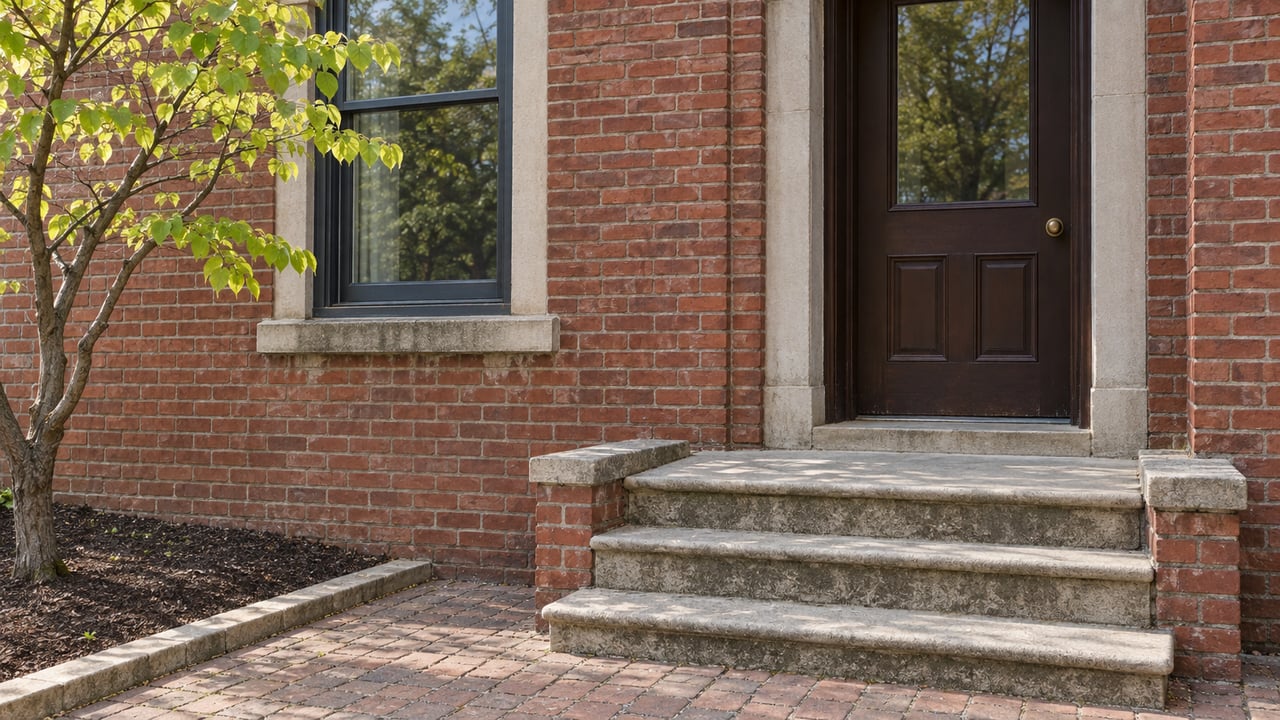
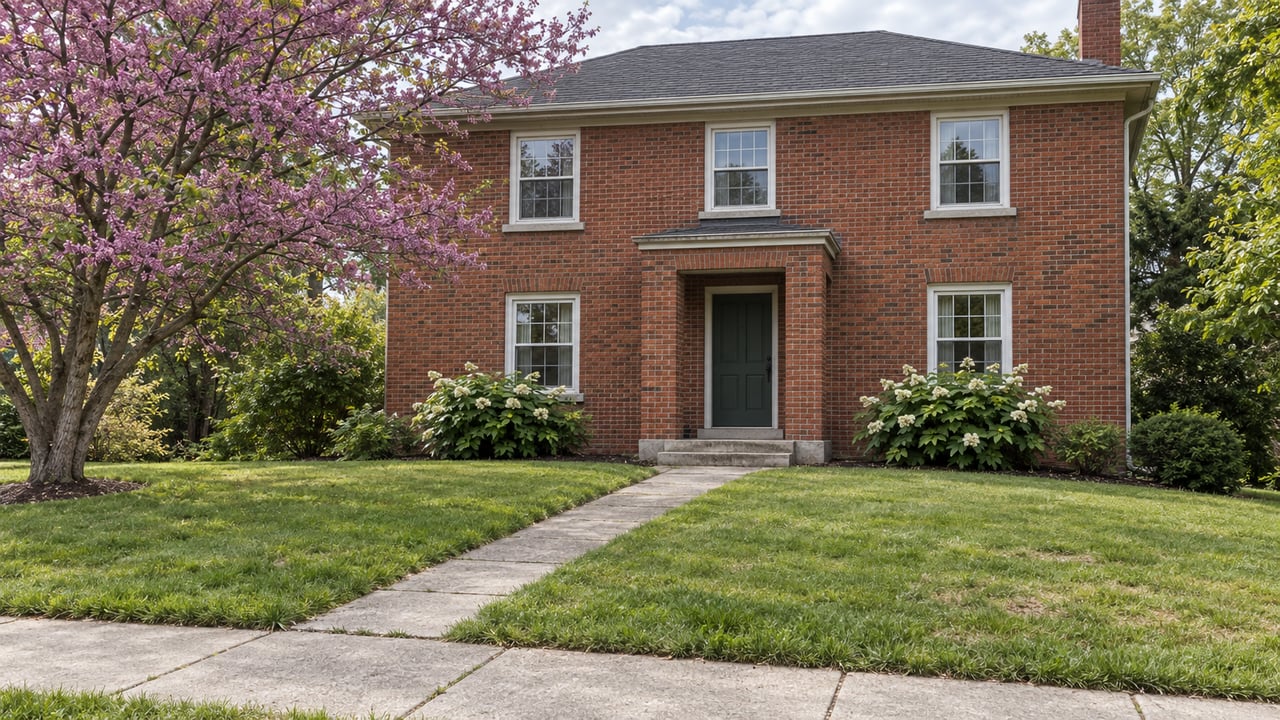
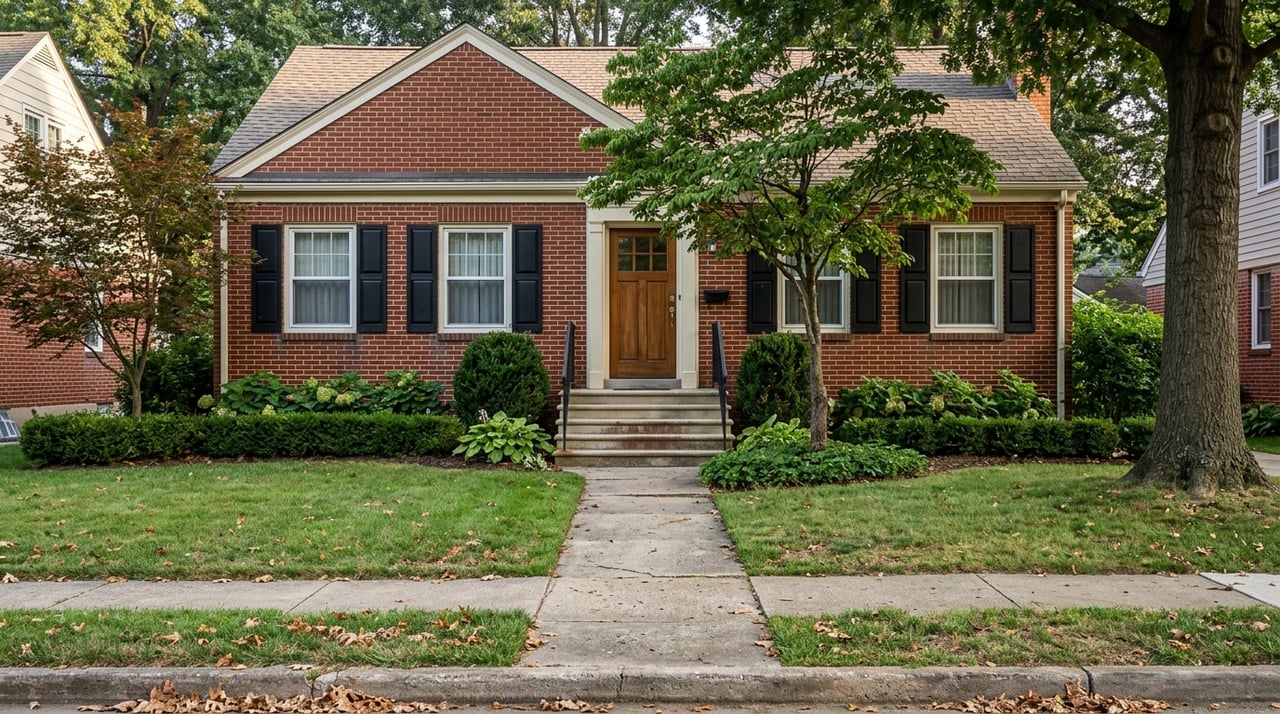
That character is especially clear in Penn Branch. The neighborhood is known for tree-lined streets, rolling hills, and a housing pattern dominated by single-family detached homes with larger yards and lawns. If you are hoping for a more suburban feel while staying in the District, that is a big part of the appeal.
Where Penn Branch Is Located
One thing that helps Penn Branch feel grounded is how clearly the neighborhood is defined. The Penn Branch Community Association identifies it as the inter-parks area bounded by Pope Branch Creek, Fort Davis Park, Pennsylvania Avenue SE, and Branch Avenue SE.
For buyers, that kind of clarity matters. It gives you a better sense of the neighborhood’s footprint and identity, rather than leaving you to guess where one area ends and another begins.
Housing in Penn Branch
Detached Homes Define the Area
Penn Branch is not primarily a rowhouse or apartment neighborhood. According to local planning sources and the neighborhood association, the area is centered on more than 500 single-family homes, with detached housing shaping much of the streetscape.
That housing mix can be a strong match if you want more breathing room. Larger lots, visible yards, and a less compressed street pattern create a different day-to-day feel than denser parts of the city.
What Quiet Living Looks Like Here
When people ask whether Penn Branch is really quiet, the built environment tells much of the story. Detached homes, lower density, lawns, mature trees, and nearby parks all support a more peaceful residential atmosphere.
That does not mean the neighborhood is isolated. It means your home base may feel more tucked away and residential, while still keeping you connected to the rest of DC through major corridors and transit options.
Parks and Green Space Nearby
Fort Dupont Park Adds Outdoor Access
One of Penn Branch’s biggest location advantages is its proximity to Fort Dupont Park. The National Park Service describes it as a 361-acre wooded park with opportunities for picnics, nature walks, biking, gardening, environmental education, music, and ranger-led programs.
That kind of nearby open space can shape how a neighborhood feels every day. Even if you are not planning a full afternoon outdoors, knowing that a major park is close by adds to the area’s calm, leafy identity.
Pope Branch Watershed Shapes the Landscape
Penn Branch also sits within the Pope Branch watershed. The District Department of Energy and Environment notes that the neighborhood was the pilot community for its RiverSmart Homes program, which brought features like trees, rain barrels, and rain gardens to local properties to help slow and filter stormwater.
For you as a buyer, that points to something important about the neighborhood’s setting. Penn Branch is not just green in appearance. Its landscape and environmental features are part of the area’s long-term identity.
Branch Avenue Park Supports the Green Setting
Another local green feature is Branch Avenue Park, a triangular wooded parcel bounded by Branch Avenue, Erie Street, and Southern Avenue. DOEE describes restoration work there aimed at reducing erosion, improving habitat, and creating safer public access.
Together, Fort Dupont Park, the watershed context, and Branch Avenue Park reinforce what many people notice first about Penn Branch: it feels leafy, established, and tied closely to outdoor space.
Shopping and Daily Needs
Penn Branch is not set up like an entertainment district with retail on every block. Instead, shopping is concentrated in neighborhood-scale commercial nodes that support day-to-day needs.
The District’s Comprehensive Plan identifies Penn Branch Shopping Center as a neighborhood commercial center. These centers are intended to serve everyday uses such as convenience stores, small food markets, supermarkets, branch banks, restaurants, and basic services.
Retail Areas to Know
If you are thinking about convenience, a few nearby shopping areas stand out:
- Penn Branch Center at Pennsylvania and Branch avenues
- Fairfax Village Center at Alabama and Pennsylvania avenues
- The shopping area at Alabama Avenue and Naylor Road
This setup can be a plus if you prefer a quieter residential setting but still want practical errands close to home. You are looking at neighborhood-serving retail rather than a high-traffic nightlife zone.
Getting Around From Penn Branch
Pennsylvania Avenue SE Is the Main Spine
For commuting and everyday travel, Pennsylvania Avenue SE is the key corridor. The Office of Planning describes it as a major commuter route carrying more than 44,000 vehicles daily.
That tells you two things at once. First, Penn Branch benefits from a direct connection into the broader city. Second, your exact experience can vary depending on where you live in the neighborhood and what time of day you travel.
Bus and Metro Connections
Penn Branch residents have bus access along the corridor and connections to Metrorail through nearby stations. WMATA’s D1X route includes stops at Pennsylvania Avenue SE and Branch Avenue SE, Branch Avenue SE and Alabama Avenue SE, and service toward Naylor Road.
WMATA’s D10 route also provides service with stops that connect the area toward Southern Avenue Station and through other parts of the city. In practical terms, Penn Branch offers bus-based access toward downtown and links to Metrorail at Naylor Road or Southern Avenue.
Who Penn Branch May Suit Best
Penn Branch can make sense for buyers who want a quieter home environment in Washington, DC without stepping outside city limits. If you value detached homes, yards, mature trees, and nearby parkland, the neighborhood checks boxes that can be harder to find in more central, denser areas.
It may also appeal to buyers who do not need a nightlife-heavy setting right outside their front door. The area leans more toward residential calm and practical convenience than constant activity.
What to Keep in Mind
Every neighborhood involves tradeoffs, and Penn Branch is no exception. If your top priority is living in the middle of a dense restaurant or entertainment scene, this may not be the best fit.
But if you are searching for a part of DC that feels established, green, and distinctly residential, Penn Branch stands out. Its clearly defined boundaries, detached housing stock, neighborhood retail, and strong park presence create a living experience that feels different from many other parts of the District.
If you are exploring where Penn Branch fits into your home search, local guidance can help you compare block-by-block character, commuting patterns, and housing opportunities with more confidence. To talk through your options in DC with a neighborhood-first approach, connect with Chuck Burger.
FAQs
Is Penn Branch a quiet neighborhood in Washington, DC?
- Yes. Local planning sources describe this part of Ward 7 as leafy and suburban in character, with single-family detached homes, larger yards, lawns, and nearby greenspace.
What types of homes are common in Penn Branch?
- Penn Branch is known for single-family detached homes. The neighborhood association says it serves more than 500 single-family homes.
What parks are near Penn Branch in DC?
- Fort Dupont Park is a major nearby green space, and Branch Avenue Park also adds to the neighborhood’s wooded, park-adjacent setting.
Where do Penn Branch residents shop for daily needs?
- Everyday retail is centered around neighborhood commercial areas such as Penn Branch Center, Fairfax Village Center, and the shopping area at Alabama Avenue and Naylor Road.
How do you commute from Penn Branch to downtown DC?
- Residents mainly use Pennsylvania Avenue SE for travel, with bus service along the corridor and connections to Metrorail through Naylor Road and Southern Avenue stations.
Where are the boundaries of Penn Branch?
- The Penn Branch Community Association defines the neighborhood as the inter-parks area bounded by Pope Branch Creek, Fort Davis Park, Pennsylvania Avenue SE, and Branch Avenue SE.