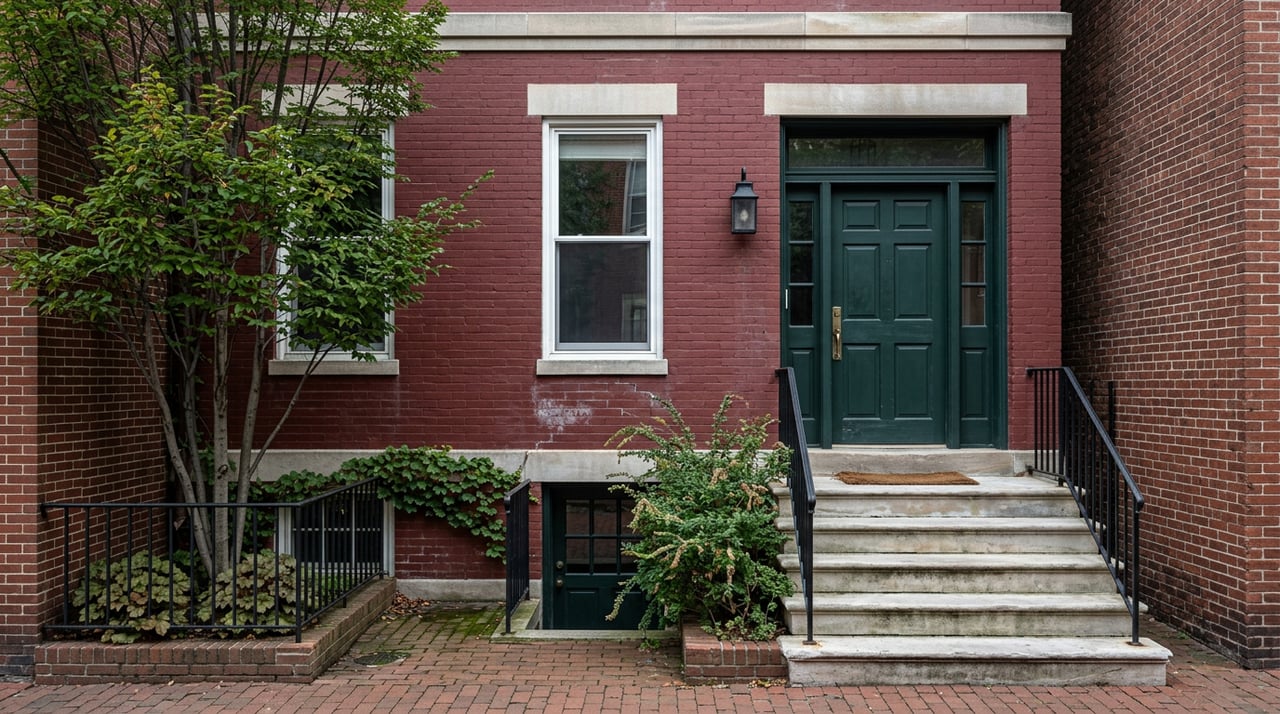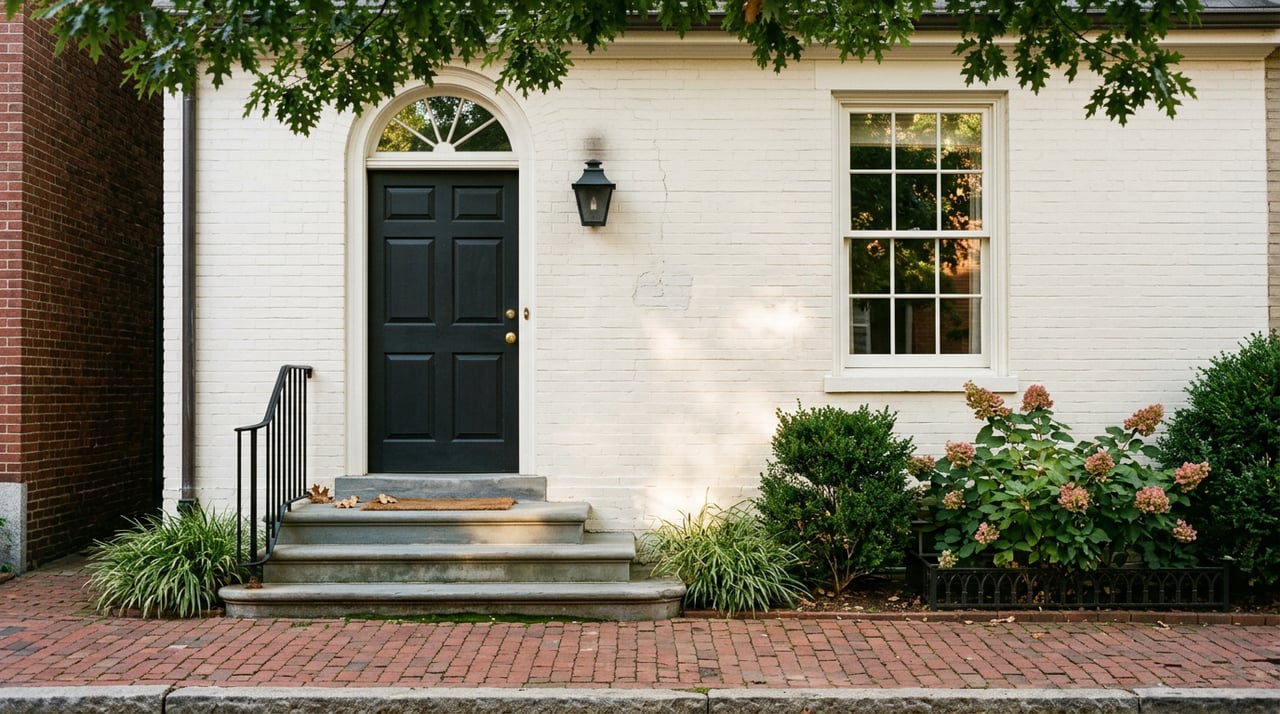
Thinking about a home that fits your next chapter a little better? In 20016, many owners in Palisades and American University Park are either craving extra space or looking to simplify. You want a clear plan that respects your timing, your budget, and the unique patterns of these neighborhoods. This guide breaks down prices, timing, financing, and DC closing costs so you can right-size with confidence. Let’s dive in.
Right-size in 20016: What it means
Right-sizing simply means moving into a home that better supports how you live now. If you are upsizing, you might prioritize larger lots, finished square footage, and private outdoor space that Palisades is known for. If you are downsizing, you may target condo and townhouse options near Wisconsin Avenue for simpler upkeep and easy access to retail and services.
AU Park tends to offer stronger walkability and Metro access near Tenleytown and Friendship Heights, while Palisades trades transit convenience for a more residential feel along the Potomac and C&O Canal. Both areas see steady demand with low turnover for single-family homes, so planning and preparation make a real difference.
What homes cost today
- Zip code 20016 shows a median sale price near $987,000 based on recent snapshots. That figure includes a mix of condos and single-family homes, so it understates single-family prices in Palisades and AU Park.
- Palisades neighborhood medians have recently hovered around the low $1.2M to $1.3M range, with price per square foot in the mid $400s to $500s. Turnover is relatively low, and days on market can run longer than some other NW DC pockets.
- AU Park neighborhood medians are around $1.26M, with well-priced homes moving quickly. The area includes a range of property types, which helps explain why the zip-level median comes in lower than neighborhood-level figures.
Price tiers to frame your search:
- Entry and downsize options: roughly $250,000 to $700,000 for 1–2 bedroom condos or small townhouses near Wisconsin Avenue and Tenley.
- Mid-tier move-ups: roughly $700,000 to $1.5M for 3-bedroom townhouses and smaller detached homes.
- Upper-tier upsizing: $1.5M and above for larger single-family homes, full renovations, or new builds. Palisades often carries premiums for lot size and high-end updates.
The spread is wide because condos along the Friendship Heights corridor pull the zip median down, while detached homes in Palisades and AU Park push neighborhood medians well above the zip average. When you get serious, work from live comps for your specific block and home type.
Sell first or buy first?
Sell first: lower risk and simpler lending
Selling first reduces carrying costs and simplifies your purchase loan approval. In lower-turnover pockets like Palisades, this path keeps your risk modest and gives you time to align pricing and presentation. The tradeoff is potential short-term housing if your search runs longer than expected.
Buy first: HELOC or bridge for flexibility
Buying first gives you control over timing and lets you write a stronger non-contingent offer. A Home Equity Line of Credit can be a flexible way to fund a down payment, though it carries variable rates and a draw-to-repayment shift that you should understand. The Consumer Financial Protection Bureau explains key mortgage and HELOC concepts clearly in its mortgage terms overview.
A bridge loan offers a short-term lump sum secured by your current equity so you can close before you sell. Rates and fees are typically higher, and terms are short, but it can be the cleanest way to compete on a new listing. See a concise comparison of pros and cons in this bridge loan vs. HELOC explainer.
Contingent offer: use smart safeguards
A home-sale or settlement contingency reduces upfront cost but weakens your offer in competition. The 2026 market is more balanced than the pandemic peak, so contingencies appear more often, yet sellers still prefer clean terms. If you must go contingent, tighten timelines, have your home under contract first, and consider a larger earnest deposit to show commitment.
Financing your transition
Know your loan limit in 2026
For 2026, the baseline conforming loan limit for one-unit properties is $832,750, with higher ceilings in designated high-cost areas and a national high-cost cap of $1,249,125. Homes in Palisades and AU Park often require loan amounts above the baseline, which can push you into jumbo underwriting with different rates and reserve rules. Review the official figures in Freddie Mac’s 2026 loan limit announcement.
DTI and reserves if you carry two loans
If you buy before you sell, lenders typically look for a back-end debt-to-income ratio near or below 43 to 45 percent, with flexibility for strong credit, large down payments, and ample reserves. Ask your lender early how they will treat a HELOC draw or bridge loan when qualifying your purchase. You can get a helpful overview in this conforming loans guide.
Preapproval that matches your plan
- Get a written preapproval that explains your strategy, including any HELOC or bridge component and expected sale proceeds.
- Ask whether a HELOC draw or bridge balance will count in your qualifying debt.
- If your target purchase will exceed conforming limits, compare jumbo pricing, down payment minimums, and reserve expectations with at least two lenders.
DC closing costs and taxes to model
Transfer and recordation taxes at a glance
DC charges a Deed Transfer Tax and a Deed Recordation Tax. For most residential sales at or above $400,000, each tax is 1.45 percent of the price, for a combined 2.90 percent effect. Who pays is negotiable, though it is common for the seller to cover transfer and the buyer to cover recordation. See a plain-English summary of these rules in this DC excise tax overview.
First-time District buyers who meet income and price limits may qualify for a reduced recordation rate. The Office of Tax and Revenue details eligibility and the application in Form ROD-11.
What buyers and sellers typically pay
Sellers should plan for agent commissions, transfer tax if negotiated, title fees, prorated property taxes, and any concessions. National surveys placed average total commissions around 5.5 percent in recent years, though the actual fee is negotiable and varies by market. For context, review this commission explainer.
Buyers should expect recordation tax, lender fees, appraisal, title insurance, and escrow prepaids for taxes and insurance. For a helpful breakdown of common District line items and negotiation levers like rent-backs, see this DC closing costs guide.
Quick math for a right-size
Here is simple, illustrative math to frame expectations. Your actual numbers will depend on your contract terms and loan.
- Example sale at $1,200,000: combined DC transfer and recordation at 2.90 percent equals about $34,800 in total excise taxes. Customarily the seller pays transfer and the buyer pays recordation, but you can negotiate. Add commissions, title fees, and mortgage payoff to estimate your net proceeds.
- Example purchase at $1,300,000: if customary allocations apply, your recordation tax at 1.45 percent is about $18,850. Add lender, appraisal, title insurance, and prepaids to model your cash to close. If you are a qualifying first-time District buyer, review ROD-11 to see if you could reduce recordation tax on a lower-priced purchase.
Timing your move
Most financed purchases close in about 30 to 45 days from contract, with cash deals often faster. When you are selling and buying locally, spring tends to pull the largest buyer pool in NW DC, typically April through June. The latest metro report shows historically low new listings for February 2026, with active listings up year over year and months of supply near 1.8. That combination can make early spring an attractive window to list. See the regional context in the Bright MLS Washington, D.C. Metro Market Report.
To line up both closings, coordinate with your title company and lenders as early as possible. If dates do not align, short post-closing occupancy agreements or rent-backs can bridge the gap. Many DC deals also trade small concessions, such as seller-paid closing costs, to smooth timing.
A simple right-sizing checklist
- Verify live comps for your specific block and home type so condo and single-family prices do not get conflated.
- Get preapproved and compare a HELOC vs. bridge approach with two lenders. Ask how each affects DTI, reserves, and jumbo thresholds.
- Choose your path: sell first for lower risk, buy first for control, or use a contingency with tight timelines.
- Model net proceeds and cash to close. Include DC transfer and recordation taxes, commissions, and title costs in your math.
- Prep for market: plan 4 to 6 weeks for small repairs, staging, pro photos, and a spring launch strategy. Tap local networks for off-market and coming-soon opportunities.
- Align dates early. Use rent-backs or short occupancy agreements if your closings do not match.
Work with a neighborhood advisor
Right-sizing in Palisades or AU Park rewards careful planning, accurate pricing, and strong execution. If you want a clear path from today’s home to the one that fits your next chapter, partner with a local advisor who understands block-by-block dynamics, DC taxes, and timing in a low-turnover market. For a tailored plan and a detailed net sheet, connect with Chuck Burger.
FAQs
What is the current 20016 median price?
- Recent snapshots put the 20016 median around $987,000, but neighborhood medians in Palisades and AU Park are higher due to their single-family mix. Always check live comps for your block and home type.
How competitive are Palisades and AU Park right now?
- Palisades tends to have lower turnover and longer days on market than some nearby areas, while well-priced AU Park homes can move quickly. The metro shows about 1.8 months of supply with historically low new listings in February 2026, which supports steady demand.
What DC taxes should I expect on a sale or purchase?
- For most residential deals at or above $400,000, DC charges 1.45 percent for transfer tax and 1.45 percent for recordation tax. Customary splits are negotiable. See the DC excise tax overview and ROD-11 details for first-time buyers.
How long does a financed DC closing usually take?
- Plan for about 30 to 45 days from contract to close for a conventional loan. Cash purchases can close faster. Coordinate both sides early if you are selling and buying at the same time.
What loan limits apply for 2026 in DC?
- The 2026 baseline conforming limit is $832,750, with a national high-cost cap of $1,249,125. Purchases above local conforming limits may require jumbo financing with different rates and reserve requirements. See Freddie Mac’s loan limit announcement.
Are contingent offers viable in 2026?
- Yes, more than during the pandemic peak, but they are still weaker than non-contingent offers. Strengthen a contingency by getting your home under contract first, tightening timelines, and offering a larger earnest deposit.